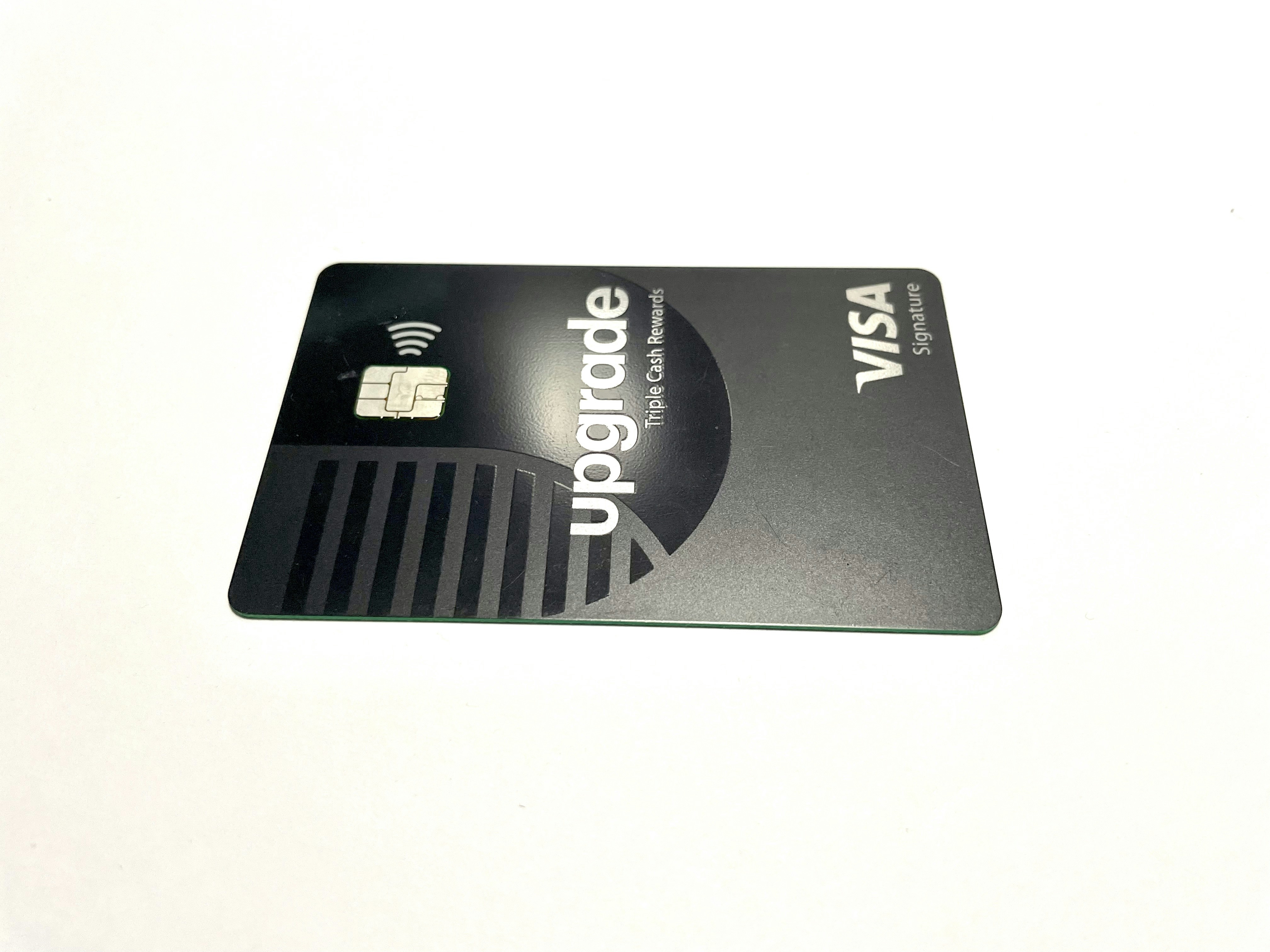
Introduction to Credit Cards
Credit cards are financial instruments issued by banks or credit unions, allowing cardholders to borrow funds to make purchases or withdraw cash, up to a pre-defined credit limit. Initially introduced in the mid-20th century, credit cards have evolved significantly, becoming essential tools in personal finance management. They facilitate transactions, offer convenience in payments, and provide a means to build and maintain credit history.
The primary function of a credit card is to enable consumers to make purchases without needing immediate cash or funds in their bank accounts. Instead, users can pay for goods and services upfront, with the understanding that they will repay the borrowed amount within an agreed timeframe, typically by a specified due date to avoid interest charges. This ability to delay payment is what differentiates credit cards from debit cards, which directly withdraw funds from a user’s bank account.
Building credit is a significant benefit associated with using credit cards responsibly. Creditors measure an individual’s creditworthiness primarily through their credit score, which reflects their repayment history and overall credit management. Regularly using a credit card and making timely payments can positively affect this score, thereby enhancing opportunities for future credit acquisition, such as loans or mortgages.
There are several types of credit cards available, each designed to cater to different consumer needs. These include reward cards, which offer points or cash back on purchases, travel cards that provide perks for travel enthusiasts, and secured cards intended for individuals trying to establish or rebuild their credit history. Choosing the right credit card is crucial, as it can influence financial health and promote responsible spending habits.
Why Choose the Right Credit Card?
Selecting the right credit card is an essential aspect of personal finance management. A credit card that aligns with one’s financial goals can not only enhance spending power but also contribute to a more rewarding financial experience. A key consideration when choosing a credit card is the rewards program. Many credit cards offer benefits such as cash back, travel rewards, or points that can be redeemed for merchandise. By selecting a card that provides rewards relevant to personal spending habits, users can maximize their benefits.
Another critical factor to consider is the interest rate. Many credit cards have varying interest rates based on creditworthiness, and understanding these rates can significantly impact financial management. For individuals who plan to carry a balance, a card with a lower annual percentage rate (APR) can save considerable money on interest charges. Conversely, for those who pay off their balance monthly, a higher interest rate may be less of a concern.
Fees also play a significant role in determining which credit card to choose. Cards may come with annual fees, late payment fees, or foreign transaction fees. Being aware of these potential costs ensures that individuals choose a card that aligns with their financial behavior and avoids unnecessary expenditures. Furthermore, credit limits are an important consideration, as they can influence spending capabilities and credit utilization rates, impacting overall credit scores.
In summary, selecting the right credit card involves careful scrutiny of various factors such as rewards programs, interest rates, fees, and credit limits. An informed decision can improve financial management and lead to significant savings over time, providing individuals with the tools necessary to navigate their financial landscape effectively.
Types of Credit Cards Available
When exploring the landscape of credit cards, it is essential to understand the various types available, as each serves unique financial needs and preferences. Broadly, credit cards can be categorized into several types, including rewards cards, cash back cards, travel cards, balance transfer cards, and secured cards.
Rewards Cards are designed to incentivize spending by offering rewards points for purchases. These points can typically be redeemed for items such as merchandise, gift cards, or even travel-related expenses. The primary benefit of a rewards card is the ability to earn rewards on everyday purchases, but users should remain cautiously aware of potential annual fees and interest rates that could negate the benefits.
Cash Back Cards offer a straightforward incentive structure where cardholders receive a percentage of their spending back as cash. This can be a fixed rate or vary across category purchases, such as groceries or gas. While cash back cards are generally easy to understand and often lack complicated reward tiers, consumers should consider how rewards are applied and any associated costs.
Travel Cards cater to frequent travelers, providing rewards in the form of points or miles redeemable for flights, hotel stays, or travel-related expenses. Some cards also offer benefits such as travel insurance and airport lounge access. However, the value of the points earned can vary significantly, making it important to evaluate the redemption process carefully.
Balance Transfer Cards are advantageous for those looking to manage or eliminate credit card debt. These cards typically offer a promotional low or 0% APR for a limited time on transferred balances, allowing cardholders to pay down debt without incurring additional interest. Users should be aware of transfer fees and the importance of clearing the balance before the promotional period ends.
Secured Cards are ideal for individuals with limited or poor credit histories. These cards require a cash deposit that serves as collateral, which can help build or rebuild credit. While secured cards can be a useful tool for improving credit scores, they may come with lower credit limits and fewer rewards compared to traditional credit cards.
In summary, understanding the different types of credit cards enables consumers to make informed decisions that align with their financial goals. Each category has unique advantages and potential drawbacks, emphasizing the importance of thorough research before choosing a credit card.
Top Credit Cards for Cash Back Rewards
Cash back credit cards are a popular choice for consumers who wish to earn rewards on their everyday purchases. With numerous options available, it can be challenging to identify the most suitable card based on individual spending patterns. Below, we examine some of the top credit cards that offer cash back rewards, highlighting their cash back percentages, any special promotions, and applicable fees.
One of the leading contenders in the cash back category is the Chase Freedom Unlimited. This card offers a straightforward rewards structure, providing 1.5% cash back on all purchases and 3% on dining and drugstore purchases. Notably, new cardholders may also benefit from a bonus cash reward after meeting a specified spending threshold within the first few months. Importantly, this card has no annual fee, making it an attractive option.
Another noteworthy option is the Blue Cash Preferred Card from American Express, which offers 6% cash back on purchases at U.S. supermarkets (up to a specified annual limit), 3% on transit and at U.S. gas stations, and 1% on other purchases. The card comes with a modest annual fee, but for families or regular supermarket shoppers, the cash back potential can significantly outweigh this cost. Plus, new applicants often qualify for a welcome bonus that boosts early earnings.
Lastly, the Discover it Cash Back card stands out due to its rotating categories that offer 5% cash back each quarter on specific spending categories, such as groceries or online shopping, up to a predefined limit. This feature allows consumers to maximize their rewards effectively. Discover also matches all cash back earned in the first year for new cardholders, amplifying the overall benefit.
Comparing these popular cash back cards reveals a diverse range of rewards tailored to various spending habits. By evaluating factors such as reward percentages, fees, and special promotions, consumers can make informed decisions regarding which cash back card aligns best with their financial lifestyle.
Best Travel Credit Cards in 2023
For travel enthusiasts, securing the right credit card can significantly enhance the experience of navigating the globe. In 2023, the best travel credit cards are designed to cater to the needs of frequent travelers by offering enticing rewards, which include airline miles, hotel points, and comprehensive travel insurance benefits. These features not only maximize savings when booking flights and accommodations but also provide added peace of mind during journeys.
One of the primary advantages of using a travel credit card lies in its ability to earn rewards on everyday purchases. Each dollar spent can translate into points or miles, which can be redeemed for free flights, discounted hotel stays, or exclusive travel experiences. For example, many travel credit cards offer bonus categories, amplifying the earning potential for expenditures such as dining, everyday spending, or vacation-related costs. This feature is particularly beneficial for those who frequently travel for work or leisure.
Additionally, travel credit cards often come with perks such as no foreign transaction fees, access to airport lounges, and travel insurance options which cover trip cancellations, lost luggage, and other unexpected events. By leveraging these benefits, cardholders can enjoy seamless travel experiences while protecting their financial investments.
To maximize the rewards earned from a travel credit card, travelers should familiarize themselves with the specific terms and conditions of their card, including the different earning rates for various types of purchases. It is also advantageous to use the card strategically, choosing it for all eligible transactions and considering partnerships with airlines or hotel chains that provide bonus points upon booking. Thus, by effectively harnessing the potential of a travel credit card, users can transform their travel plans into rewarding adventures.
Credit Cards with Low Interest Rates
When seeking a credit card, consumers often prioritize low-interest rates as a key factor. Low-interest credit cards are particularly beneficial for individuals who may occasionally carry a balance from one month to the next. The right card can significantly minimize the cost of borrowing, reducing the financial burden associated with interest payments.
The annual percentage rate (APR) is the primary measure of interest for credit cards. A lower APR means that if you do carry a balance, you will incur less interest over time. Several credit cards available in the market stand out for their competitive rates. For instance, cards such as the Citi Simplicity Card and the Chase Slate Edge are well-regarded for their low-interest offerings, making them excellent options for those seeking to avoid high interest charges. Both cards come with an introductory 0% APR for an extended period, which can aid in managing debt effectively.
Additionally, it is advisable for consumers to carefully assess their financial habits before applying for a low-interest credit card. Those who tend to pay off their balance in full each month can benefit less from low-interest rates because they will generally avoid accruing interest altogether. Conversely, individuals who often find themselves carrying a balance can capitalize on the lower rates by minimizing the total interest they pay over time. Moreover, the presence of additional features, such as rewards programs or cash back, should be evaluated. While low-interest rates are important, finding a card that aligns with personal financial needs will ensure long-term financial stability.
Secured Credit Cards for Building Credit
Secured credit cards serve as an effective tool for individuals aiming to build or rebuild their credit scores. These specialized financial products require users to make a cash deposit, which acts as collateral and typically functions as the credit limit for the account. For instance, if an individual deposits $500, their credit limit will be set at that same amount. This fundamental characteristic differentiates secured cards from standard credit cards, making them accessible even for those with a limited or poor credit history.
The requirements for obtaining a secured credit card are typically less stringent compared to unsecured credit cards. They often cater to individuals with low credit scores, recent bankruptcy filings, or users who have no credit history at all. Using a secured card responsibly—by making timely payments and maintaining a low balance relative to the credit limit—can lead to significant improvements in one’s credit score. This gradual enhancement can open doors to better financial products over time.
Individuals who benefit the most from secured credit cards include students seeking to establish a credit history, individuals recovering from financial difficulties, and newcomers to the United States who may not possess any conventional credit history. These cards help users learn about managing credit and making payments while enhancing their credit score, which is vital for larger financial endeavors, such as securing a loan or renting an apartment.
Secured credit cards are not without their disadvantages; some may charge high annual fees or have lower rewards programs. However, their primary advantage is the ability they provide to rebuild credit. Therefore, exploring secured credit card options is essential for anyone aiming to take control of their financial situation.
Tips for Choosing the Best Credit Card for You
Selecting the best credit card is a pivotal decision that can affect your financial health. There are several factors to consider when evaluating potential credit cards, ensuring that you choose one that aligns with your financial situation and goals.
Firstly, consider your spending habits. Assess your monthly expenses and identify categories where you spend the most, such as groceries, dining, or travel. Some credit cards offer enhanced rewards for certain categories, allowing you to maximize benefits based on your spending trends.
Next, take into account any annual fees. While a card with a higher fee might offer greater rewards or perks, if you do not utilize those benefits, it may not be worth the cost. Compare the trade-offs between high-fee cards and their rewards against no-fee options to find a balance that works for you.
Interest rates also play a crucial role in your decision. Low-interest credit cards are ideal for those who may carry a balance from month to month. However, if you plan to pay your balance in full each month, the interest rate may be less of a concern. Always check for introductory offers that may include low or even 0% interest for an initial period, which can be beneficial if you’re planning a major purchase.
Additionally, evaluate the reward systems that different credit cards offer. Whether you prefer cash back, travel points, or other benefits, selecting a card that matches your lifestyle can enhance your financial strategy. Some cards provide sign-up bonuses, which can be an attractive incentive during your selection process.
To assist you further, here is a brief checklist to guide your decision-making:
- Analyze your monthly spending habits.
- Determine if the annual fee is justified.
- Review interest rates and introductory offers.
- Consider the types of rewards offered.
- Evaluate any additional fees, such as foreign transaction fees.
Conclusion: Making an Informed Credit Card Choice
Choosing the best credit card in the USA is a critical decision that requires careful consideration of various factors. Throughout this guide, we have explored different types of credit cards, their unique features, and the benefits they offer. It is essential to understand that what works best for one individual may not be the ideal choice for another. Personal financial needs, spending habits, and lifestyle preferences all play a significant role in determining the best credit card options.
When evaluating credit cards, consumers should prioritize their specific requirements. For example, individuals who travel frequently may benefit from cards that offer travel rewards and no foreign transaction fees. Conversely, those looking to build their credit may find secured credit cards or those with favorable terms more suitable. Additionally, understanding the associated fees, interest rates, and reward structures is vital to making an informed choice.
Moreover, it is advisable to compare multiple options before finalizing a credit card application. This comparison process can reveal significant differences in terms of annual fees, interest rates, and rewards programs among various issuers. Utilizing online resources and credit card comparison tools can streamline this assessment, allowing potential cardholders to make an educated determination. Ultimately, being well-informed will enable consumers to select a credit card that not only aligns with their financial goals but also enhances their overall financial wellness.
In conclusion, selecting the right credit card necessitates thoughtful analysis and personal reflection. By understanding one’s financial situation and exploring various credit card offerings, individuals can confidently choose a product that supports their financial journey. Through diligent research and mindful consideration, consumers will be better equipped to navigate the credit card landscape and secure a card that benefits them in the long term.