Category: Finance

  • Understanding Mortgage Refinance Rates Today: A Comprehensive Guide

    Understanding Mortgage Refinance Rates Today: A Comprehensive Guide

    Introduction to Mortgage Refinance

    Mortgage refinancing is a financial strategy utilized by homeowners to replace their existing mortgage loans with new ones, often featuring different terms and rates. It is an approach that can be advantageous for various reasons, and understanding its core elements is essential for any homeowner considering this option.

    The essence of refinancing is rooted in the potential benefits it can bring. Primarily, individuals choose to refinance to secure a lower interest rate, resulting in reduced monthly payments and long-term savings. Additionally, refinancing might allow homeowners to switch from an adjustable-rate mortgage (ARM) to a fixed-rate mortgage or vice versa, depending on their current financial situation and future expectations.

    Another common motivation for refinancing is to access the equity built up in a home. This process, known as cash-out refinancing, enables homeowners to borrow against their property’s value for various purposes, such as home improvements, debt consolidation, or other financial goals. Furthermore, some individuals may opt to refinance to shorten the duration of their mortgage, moving from a 30-year term to a 15-year term, facilitating the process of becoming debt-free sooner.

    While refinancing can lead to significant financial benefits, it is important for homeowners to carefully consider associated costs, such as closing fees and other potential expenses. It is crucial to evaluate whether the long-term advantages will outweigh these costs.

    Overall, mortgage refinancing can serve as a valuable tool for homeowners seeking to optimize their financial circumstances. By understanding the purpose and benefits of refinancing, individuals can make informed decisions regarding their mortgage loans, ultimately enhancing their financial well-being.

    Current Mortgage Refinance Rates

    As of October 2023, the landscape of mortgage refinance rates has exhibited notable variability. Current rates are typically hovering in the range of 6.5% to 7.5% for standard 30-year fixed loans, with some fluctuations and adjustments evident within smaller loan amounts and varying borrower profiles. When analyzing today’s rates, it is critical to compare them against historical figures, as this provides a better context for understanding their current positioning.

    Looking back over the past year, mortgage refinance rates have seen a gradual increase. For example, in October 2022, the average refinance rate was around 5.0%. This shift has been influenced by factors such as monetary policy adjustments by the Federal Reserve, economic recovery trends, and increased inflation, each of which plays a significant role in shaping rates. The Federal Reserve’s actions directly impact treasury yields, which in turn affects mortgage interest rates, including those for refinancing.

    In addition to national trends, individual borrowers often experience different refinance rates based on specific factors like credit score, debt-to-income ratio, and the overall amount of equity in the home. These variables can lead to significant differences in the rates that borrowers are offered. As such, maintaining a good credit score and managing debts effectively can help secure more favorable refinancing conditions.

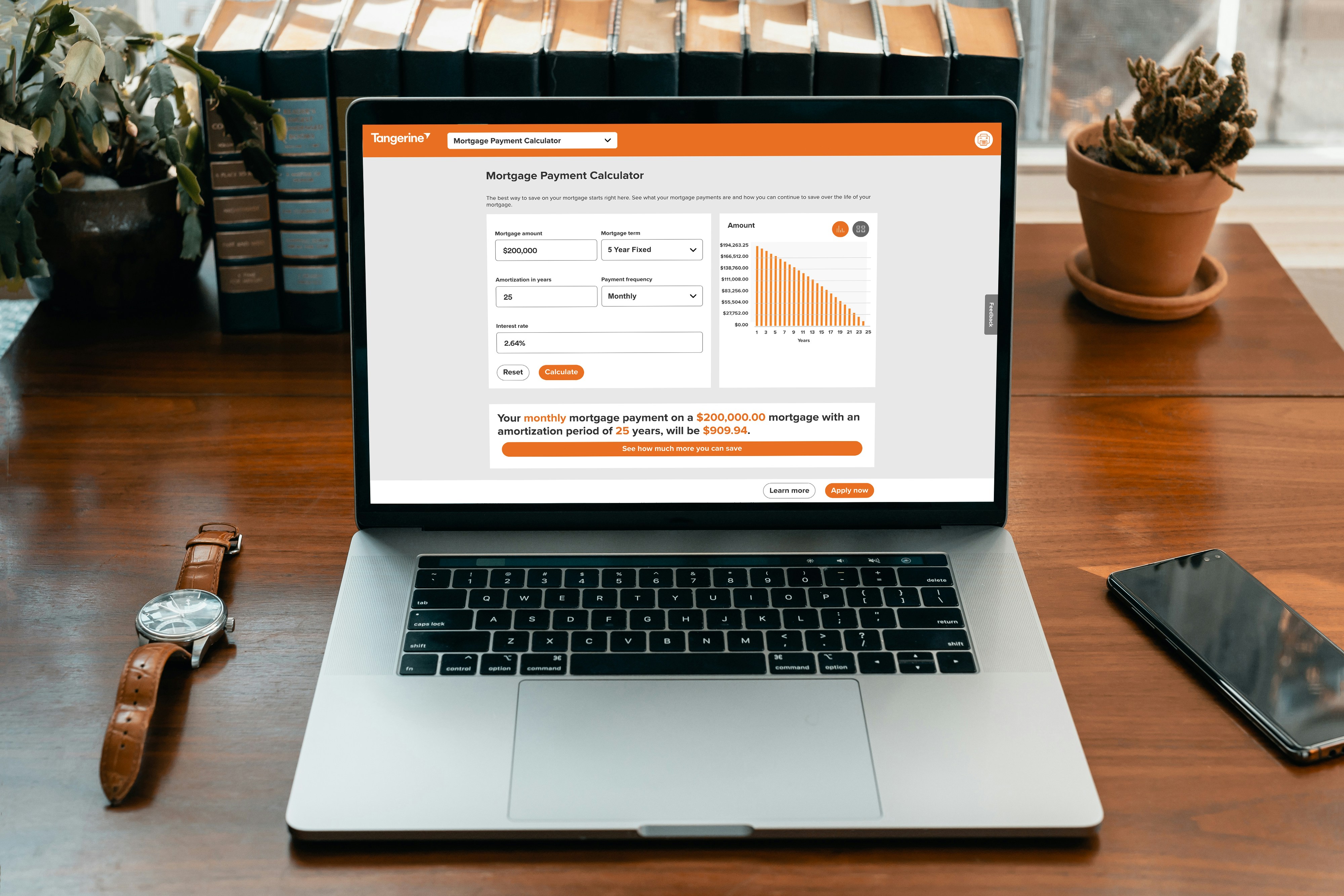
    For homeowners pursuing mortgage refinancing, staying updated with the most accurate and current information is crucial. Reliable resources such as financial news websites, mortgage calculators, and comparison platforms can help ascertain the best available rates. Engaging with multiple lenders can also provide a clearer picture of varying offers, ensuring borrowers make informed decisions based on competitive refinancing options.

    Factors Affecting Mortgage Refinance Rates

    Mortgage refinance rates are influenced by a variety of factors that borrowers should understand to make informed decisions regarding their refinancing options. One of the most significant factors is the borrower’s credit score. Lenders typically assess creditworthiness using credit scores; higher scores often lead to lower refinance rates. A score above 740 generally qualifies borrowers for the best rates, while scores below this threshold may result in higher interest rates and less favorable terms.

    Another critical factor is the loan-to-value (LTV) ratio, which measures the proportion of the loan amount to the appraised value of the property. A lower LTV can indicate less risk for lenders and may secure a more advantageous refinance rate. Typically, lenders prefer an LTV ratio of 80% or lower. If a homeowner’s LTV exceeds this threshold, they may face higher rates or additional requirements, such as private mortgage insurance (PMI).

    The overall state of the housing market also plays a vital role in determining mortgage refinance rates. Economic indicators, including inflation rates, employment figures, and the Federal Reserve’s monetary policy, can create fluctuations in the market. For instance, rising inflation may lead the Fed to increase interest rates to stabilize the economy, which consequently can elevate mortgage refinance rates across the board. Therefore, staying informed about these economic conditions can help borrowers anticipate potential changes in refinancing costs.

    Lastly, the competition among lenders is a key consideration. During times of high competition, lenders may lower their refinance rates to attract more customers. Consequently, the availability of promotional offers and unique refinancing products can contribute to variations in rates. By understanding these factors, borrowers can better navigate the refinancing landscape and secure favorable mortgage refinance rates.

    Types of Mortgage Refinance Options

    When exploring mortgage refinance rates, it is crucial to understand the various types of mortgage refinance options available. Each option caters to different financial needs and goals, allowing homeowners to make informed decisions.

    The first and most common type is rate-and-term refinancing. This option primarily focuses on adjusting the interest rate and/or the term length of the existing loan. Homeowners opting for this choice typically aim to secure a lower interest rate, potentially reducing monthly payments and total interest paid over the loan’s life. However, this type of refinancing generally does not provide any cash out to the homeowner, meaning they cannot access their home equity through this option.

    Another popular option is cash-out refinancing. This process allows homeowners to refinance their mortgage for more than the amount owed, converting their home equity into cash. This extra funds can be used for various purposes, such as home renovations, debt consolidation, or other large expenses. While cash-out refinancing can be advantageous, it often comes with higher interest rates and may increase the overall debt burden, making it essential for homeowners to evaluate their financial situation carefully before proceeding.

    Streamline refinancing is also an option worth considering. This type is specifically designed for homeowners with existing government-backed loans, such as FHA or VA loans. Streamline refinancing enables borrowers to reduce their interest rates with minimal documentation and without the need for a home appraisal. This can make the process quicker and more convenient, yet it usually requires that the borrower must remain within the current loan type. Understanding the specifics of each type of refinance is crucial for homebuyers and helps in choosing the best option tailored to their needs.

    The Refinancing Process Explained

    Refinancing a mortgage can be a strategic financial decision for homeowners, allowing them to adjust their loan terms to better suit their current financial situation. The refinancing process involves several critical steps that homeowners should understand to navigate it effectively.

    Initially, the process begins with researching mortgage refinance rates, which can vary based on current market conditions and individual financial profiles. Homeowners should assess their needs and goals, whether it’s lowering monthly payments, reducing interest rates, or accessing home equity for other expenses.

    Once a homeowner has decided to proceed, the next step involves gathering necessary documentation. This typically includes income verification, tax returns, credit reports, and information regarding existing debts. Lenders will assess this information to determine the appropriate refinance offers available to the homeowner.

    After documentation is submitted, homeowners can expect a timeline that varies based on the lender and complexity of the application. Generally, the process can take anywhere from 30 to 45 days, depending on the lender’s workload and performance. It is also during this period that the lender will conduct a home appraisal to assess the property’s value, which plays a significant role in the approval process.

    Potential costs should also be on a homeowner’s radar. These can include application fees, appraisal costs, and closing costs, which may amount to 2-5% of the loan amount. However, many lenders offer zero-cost refinance options where fees are rolled into the loan or offset by a slightly higher interest rate, allowing for greater flexibility.

    By understanding each step of the refinancing process, homeowners can better prepare themselves for the financial implications and overall experience, leading to a more informed and effective refinancing journey.

    Benefits of Refinancing Your Mortgage

    Refinancing your mortgage can present numerous advantages that may significantly improve your financial standing and overall homeownership experience. One of the most compelling reasons to consider mortgage refinancing is the potential to lower your monthly payments. By securing a new loan at a lower interest rate, homeowners can reduce their monthly outlays, which can free up funds for other expenses or savings. For instance, a homeowner with a $300,000 mortgage at a 4.5% interest rate might opt for refinancing to a 3.5% rate, resulting in considerable savings over the loan’s term.

    In addition to lowering monthly payments, refinancing often allows homeowners to obtain a better interest rate, especially for those whose credit scores have improved since their original mortgage was taken out. A lower interest rate translates to reduced overall interest paid throughout the life of the loan, potentially saving thousands of dollars. This financial advantage can be particularly appealing for homeowners who plan to stay in their homes for an extended period, as the long-term savings can be substantial.

    Accessing home equity is another significant benefit of mortgage refinancing. Homeowners may choose to refinance their mortgage to tap into their home equity for various purposes, such as funding home improvements, consolidating debt, or financing major purchases. This can enhance the property’s value, increase comfort, or facilitate financial goals that would otherwise be challenging to achieve without liquidating assets. A real-life example includes a homeowner who refinanced their mortgage to fund a kitchen remodel, which not only improved their living space but also increased their home’s market value.

    In summary, refinancing a mortgage can provide numerous benefits such as lowering monthly payments, securing better interest rates, and accessing home equity. These advantages can contribute positively to a homeowner’s financial health and future plans.

    Risks and Downsides of Refinancing

    While mortgage refinancing can offer numerous benefits, it is essential to recognize the inherent risks and downsides associated with this financial decision. One major concern is the potential for increased overall costs. Refinancing typically involves closing costs that can range from 2% to 5% of the loan amount. This upfront expenditure can negate any short-term savings achieved through a lower interest rate, especially if the borrower does not remain in the home long enough to recoup those costs.

    Another significant risk associated with mortgage refinancing is the possibility of extending the loan term. Borrowers aiming to lower their monthly payments may opt for a new mortgage with a longer repayment period. While this can result in more manageable payments in the short term, it can also lead to paying significantly more interest over the life of the loan. Homeowners may find themselves in a position where they owe more than they initially did, which can be financially detrimental in the long run.

    Additionally, refinanced mortgages may lead to the loss of favorable features from the original loan, such as the ability to make extra payments without penalties. Depending on the terms of the new mortgage, borrowers may also encounter strict conditions that limit their financial flexibility. Moreover, if the borrower’s financial situation has changed since obtaining the original mortgage—due to job loss, increased debt, or credit score drops—refinancing may result in less favorable terms than initially received.

    In summary, while refinancing can be a valuable tool for many homeowners, it is crucial to weigh the potential risks and downsides carefully. Each situation is unique; thus, conducting thorough research and possibly consulting a financial advisor can provide clarity on whether mortgage refinancing is a sound financial strategy.

    Tips for Securing the Best Refinance Rate

    Securing a favorable mortgage refinance rate can significantly impact your financial situation. Here are some actionable tips to help you obtain the best possible rate.

    First and foremost, improving your credit score is essential. Lenders typically reserve their most competitive rates for borrowers with higher credit scores. Paying down existing debts, making timely payments, and correcting any inaccuracies in your credit report can contribute to increasing your credit rating. It is advisable to check your credit report well in advance of applying for refinancing to ensure you present the strongest financial profile possible.

    Next, shopping around for different lenders can yield considerable savings. Mortgage lenders often have varying rates, fees, and terms. Taking the time to compare offerings from multiple institutions allows you to identify the most favorable refinancing options available. Consider using online tools and calculators to estimate potential savings with each lender and request quotes to get a more accurate understanding of your prospective refinance rate based on your financial circumstances.

    Timing the market may also play a crucial role in securing an advantageous mortgage refinance rate. Economic conditions, such as changes in interest rates and inflation, can impact the overall mortgage landscape. Monitoring market trends and being prepared to act when rates dip can maximize your potential savings. Additionally, staying informed about Federal Reserve meetings and economic indicators can help you better predict when the best chances to refinance may arise.

    Lastly, consider maintaining a healthy debt-to-income ratio. Lenders evaluate this ratio to assess your ability to manage monthly payments. A lower debt-to-income ratio can enhance your chances of obtaining a favorable refinance rate, lending credibility to your financial stability. By following these strategies diligently, you can effectively position yourself to secure the best mortgage refinance rate in today’s market.

    Conclusion and Final Thoughts

    As we have explored throughout this comprehensive guide on mortgage refinance rates today, understanding these rates is crucial for homeowners considering refinancing options. Mortgage refinance rates fluctuate based on numerous factors, including overall economic conditions, individual credit scores, and prevailing market trends. By having a firm grasp on these elements, borrowers can make informed decisions that align with their financial goals.

    We have discussed how rates can vary from lender to lender, emphasizing the importance of shopping around for the best possible deal. Additionally, it’s essential to remember that refinancing isn’t solely about securing a lower interest rate; it encompasses a range of considerations, such as loan terms, closing costs, and potential impacts on long-term financial strategies.

    Ultimately, assessing personal circumstances and evaluating refinancing options carefully can lead to substantial savings over time. Homeowners should reflect on their current mortgage terms and consider whether refinancing could alleviate financial burdens or generate additional benefits such as cash-outs for home improvements. As the mortgage landscape continues to evolve, staying informed about current refinance rates and market conditions is imperative for making prudent decisions.

    In conclusion, the insights shared in this guide should equip you with the necessary knowledge to navigate the complexities of mortgage refinancing effectively. Whether you are contemplating your first refinance or seeking to optimize previous decisions, diligent research and informed decision-making will empower you to take full advantage of the opportunities presented by favorable mortgage refinance rates today.

  • Navigating the SBA Loan Application Process: A Comprehensive Guide

    Navigating the SBA Loan Application Process: A Comprehensive Guide

    Introduction to SBA Loans

    The Small Business Administration (SBA) plays a pivotal role in supporting entrepreneurs and small business owners through its loan programs. SBA loans are specifically designed to assist businesses that may face challenges in securing traditional financing. By offering guarantees on loans provided by participating lenders, the SBA increases the chances of loan approval for small businesses, thus fostering entrepreneurship and economic growth.

    One of the primary benefits of an SBA loan is the favorable terms associated with them. Typically, these loans come with lower down payments, longer repayment periods, and competitive interest rates compared to conventional loans. This flexibility allows business owners to allocate resources more efficiently, supporting their growth and operational needs without the immediate strain of high repayments.

    There are several types of SBA loans available, each tailored to meet different business needs. The most popular programs include the 7(a) loan, which offers diverse financing options for working capital, equipment purchases, and real estate; the CDC/504 loan, designed for long-term fixed-rate financing for real estate and major capital investments; and the Microloan program, which caters to small businesses requiring quick access to smaller loan amounts. Each of these options presents unique advantages, depending on the specific needs of the business.

    Businesses may seek SBA loans for a variety of reasons, including starting up, expanding, or refinancing existing debt. The backing by the SBA often reassures lenders, making them more willing to work with businesses that may not meet conventional lending criteria. Additionally, the comprehensive support and resources offered by the SBA can further assist business owners in navigating the complexities of entrepreneurship.

    Eligibility Criteria for SBA Loans

    When considering an SBA loan, businesses must meet specific eligibility criteria set forth by the Small Business Administration. These criteria primarily focus on business size, purpose of the loan, business structure, creditworthiness, and other critical factors like revenue thresholds and length of operation.

    Firstly, the size of the business plays a significant role in eligibility. According to the SBA, a small business is defined based on industry-specific standards, which typically include revenue and number of employees. For most sectors, the average annual receipts must be below a certain threshold, often $1 million to $41.5 million, depending on the industry. This means that companies within this size range can apply for SBA funding.

    Next, the intended purpose of the loan is an integral aspect of the application process. Eligible uses of SBA loans may include working capital, the purchase of real estate, equipment acquisition, and refinancing existing debt. It is essential for applicants to clearly articulate how they plan to utilize the funds to ensure compliance with SBA regulations.

    The structure of the business is also relevant. SBA loans are available to various forms of legal entities, including sole proprietorships, partnerships, and corporations. However, the business must be registered and operate legally within the United States, ensuring all necessary licenses and permits are in place.

    Creditworthiness is another critical factor. Lenders usually evaluate personal credit scores of the business owner(s), examining their credit history to determine financial responsibility. Typically, a credit score of 680 or higher is advantageous. Moreover, businesses should ideally be operational for at least two years, demonstrating stability and the ability to generate sufficient revenue.

    In essence, understanding these eligibility requirements is vital for businesses aiming to secure an SBA loan. Ensuring compliance with these criteria can significantly enhance the likelihood of a successful loan application, thereby facilitating access to essential capital for growth and development.

    Preparing for Your SBA Loan Application

    Before embarking on the journey of securing an SBA loan, it is crucial for business owners to undertake thorough preparatory steps. This preparation not only streamlines the application process but also enhances the likelihood of loan approval. One of the key components in this preparatory phase is gathering necessary documentation. Potential applicants should compile a comprehensive set of documents, including tax returns, business licenses, financial statements, and a clear outline of any existing debts. These documents provide lenders with insights into your business’s financial health and operational history, which can significantly inform their decision-making process.

    Equally important is the development of a solid business plan. A well-structured business plan serves not only as a roadmap for your business but also as a compelling argument to lenders regarding the viability and growth potential of your business. This plan should highlight your business model, target market, competitive analysis, and marketing strategies. Additionally, detailing your business’s long-term financial projections demonstrates to lenders that you have a realistic expectation of future revenues and expenses.

    Financial projections should be grounded in research and data, providing an honest representation of anticipated income and expenses. This not only aids in the loan application but also helps business owners assess their own financial situation. Moreover, a strong credit score can significantly influence the approval process for an SBA loan. Lenders often view a good credit score as an indicator of reliability and financial responsibility. Therefore, reviewing and improving your credit report ahead of applying can enhance your eligibility for favorable loan terms.

    Understanding the Different Types of SBA Loans

    The Small Business Administration (SBA) offers several loan programs designed to support entrepreneurs and small business owners in meeting their financial needs. Each type of SBA loan serves distinct purposes and comes with specific terms and eligibility requirements. Understanding these loans can help businesses choose the most appropriate option.

    One of the most common types is the SBA 7(a) loan, which provides general funding for a wide range of business purposes such as working capital, equipment purchases, or real estate. This loan is favorable due to its flexibility and relatively low-interest rates. The maximum loan amount is $5 million, and repayment terms can extend up to 25 years for real estate purchases. To qualify, businesses must demonstrate a need for financing and have a reasonable credit history.

    Another significant option is the CDC/504 loan. This program is specifically targeted at funding major fixed asset purchases that promote business growth, such as real estate or large equipment. The loan typically provides up to 40% of the total project costs, with a maximum loan amount of $5 million. The key feature of CDC/504 loans is the collaboration between certified development companies and lenders, which helps minimize risk for all parties involved. terms usually span 10 to 25 years and come with favorable fixed interest rates.

    Finally, microloans are worth mentioning, particularly for startups or small businesses in need of smaller amounts of capital. These loans can provide up to $50,000, often used for working capital or to cover inventory and supplies. Microloans are easier to qualify for but may come with higher interest rates compared to larger SBA loans. These loans support entrepreneurs by offering an accessible entry-point into business financing, enabling them to grow their enterprises.

    The SBA Loan Application Process: Step-by-Step

    Embarking on the journey to secure an SBA loan can seem daunting, yet understanding the application process can significantly simplify your efforts. The first step involves choosing a lender, which is critical to your application’s success. Research lenders who participate in the SBA loan program, noting their specialties and requirements.

    Once you have selected a lender, the next step is to complete the necessary application forms. This typically includes the SBA Form 1919, which gathers information about the business, owners, and the loan request itself. Additionally, lenders often require personal financial statements, tax returns, and business financial documents such as cash flow projections, profit and loss statements, and a business plan. Completing these forms accurately is crucial as incomplete applications can lead to delays.

    The significance of personal guarantees cannot be overstated in this process. Personal guarantees are commitments from business owners and certain stakeholders to repay the loan if the business cannot. Most lenders require these guarantees, providing them with an assurance of repayment and increasing the likelihood of loan approval. It is advisable to be prepared to discuss your personal finances and assets during the application process.

    After submitting your application, expect further evaluation from your lender. This may include interviews or additional meetings to clarify any aspects of your application or business model. This interaction is vital as it allows lenders to assess your commitment to the venture, business acumen, and overall viability.

    By approaching each step diligently—choosing the right lender, accurately filling out forms, and being prepared for further discussions—you place yourself in a favorable position for successfully navigating the SBA loan application process.

    Common Challenges During the Application Process

    Applying for a Small Business Administration (SBA) loan can be a daunting task for many entrepreneurs. One of the primary challenges applicants face is the lengthy processing times associated with these loans. The SBA loan application process can take several weeks or even months. Delays often stem from the extensive documentation required by lenders, which can be overwhelming for those unfamiliar with the specific requirements.

    Another frequent obstacle is the quality and completeness of the documentation submitted. Inadequate documentation can lead to significant delays or outright rejections of loan applications. To mitigate this challenge, applicants must prepare comprehensive financial statements, tax returns, and a well-documented business plan that clearly outlines their strategy and projected financial performance. Engaging a knowledgeable consultant or mentor to review the materials before submission can be beneficial to ensure all necessary information is included.

    Potential rejections represent yet another challenge during the application process. A common reason for rejection is failure to meet credit score requirements or lack of sufficient collateral. Entrepreneurs should proactively assess their credit ratings and understand the specific lending criteria to enhance their chances of approval. If an application is denied, it is crucial to request feedback from the lender to identify the areas that need improvement. This constructive criticism provides valuable insights that can enhance future applications.

    Overall, being prepared for these common challenges by organizing documentation and understanding lender expectations can significantly improve the odds of a successful SBA loan application. This preparation not only streamlines the process but also instills confidence in business owners as they pursue funding opportunities.

    Tips for a Successful SBA Loan Application

    Applying for an SBA loan can be a complex process, but adhering to some best practices can significantly increase the chances of success. One of the most important tips is to maintain clear communication with your lender throughout the application process. Engaging in regular discussions can help clarify any doubts and establish a rapport that could be beneficial when your application is reviewed.

    Before submitting your application, ensure that it is complete and thoroughly organized. A well-structured application demonstrates professionalism and attention to detail. Include all necessary documents such as business plans, financial statements, and personal credit information. Thoroughly reviewing your submission for accuracy can prevent delays and unnecessary follow-up requests from the lender.

    Furthermore, take the time to understand the specific requirements of the SBA loan program you are applying for, as different programs serve various business needs. Familiarizing yourself with these guidelines can aid in tailoring your application to meet the lender’s expectations. This understanding will also help you prepare for any questions that may arise during the review process.

    After submitting your application, it is crucial to follow up appropriately. A simple email or phone call to check the status demonstrates initiative and can keep your application on the lender’s radar. However, it’s important to strike the right balance between persistence and respect; frequent inquiries might be perceived as impatience.

    Lastly, consider seeking advice from a financial advisor or business mentor who has experience with SBA loans. Their insights can provide valuable guidance and possibly highlight aspects of your application that you may not have considered. Approaching the SBA loan application process with thorough preparation, clear communication, and appropriate follow-up sets the groundwork for a successful financing outcome.

    Post-Application: What to Expect

    After submitting an application for an SBA loan, the applicant enters a crucial phase of the funding process. This period is marked by the lender’s comprehensive review of the application, which involves several key steps and timelines that applicants should be aware of.

    Initially, the lender will acknowledge receipt of the application and provide an estimated timeline for the review process. Typically, this timeline can range from a few days to several weeks, depending on the volume of applications and the specific lending institution. During this time, the lender will analyze the applicant’s financial documents, credit history, business plans, and other relevant information to ensure that everything meets the SBA’s requirements.

    Following the initial review, applicants may encounter requests for additional information or documentation. This follow-up correspondence is common and can include clarifications on business financials, the operational plan, or personal financial information of the business owner. It is essential for applicants to respond promptly and thoroughly to these requests, as delays in communication may lead to further postponements in the approval process.

    Throughout this waiting period, applicants should manage their expectations and maintain open lines of communication with their lender. It might also be beneficial to use this time to gather any further necessary documentation, prepare for potential queries, and stay informed about their business’s current financial status. Keeping organized records can not only facilitate a smoother review process but also help in responding swiftly to any additional information requests. Ultimately, patience and proactive engagement during the review phase can significantly impact the outcome of the loan application.”

    Conclusion and Final Thoughts

    Successfully navigating the SBA loan application process is paramount for entrepreneurs and small business owners looking to secure financing. Understanding the intricacies of this process ensures that applicants are well-prepared, minimizing the chances of delays or denials. Thorough preparation, including gathering necessary documentation and understanding eligibility requirements, is critical. Applicants should also be aware of various financing options available to them, as the SBA offers different loan programs catering to diverse business needs.

    Moreover, maintaining clear communication with lenders can significantly enhance the chances of approval. It is advisable for potential borrowers to approach the application with diligence, ensuring all information is accurate and complete. Borrowers are encouraged to take the time needed to understand the entire process, as this knowledge can be invaluable not only in securing a loan but also in managing the business effectively once financing is obtained.

    For those ready to explore their financing options, engaging with a local SBA office or consulting resources such as the SBA’s official website can provide valuable insights. Additional reading materials and tools are also available to further educate prospective borrowers on loan types, business planning, and financial management. By taking action now and leveraging the resources at their disposal, entrepreneurs can better prepare themselves to navigate the complexities of SBA loans successfully. This proactive approach is crucial in ensuring their business aspirations are met and sustained over time.

  • Understanding Small Business Loans in the USA: Your Complete Guide

    Understanding Small Business Loans in the USA: Your Complete Guide

    Introduction to Small Business Loans

    Small business loans are financial products specifically designed to help entrepreneurs secure funding to launch, operate, or expand their businesses. These loans play a pivotal role in the growth and sustainability of various businesses, ranging from startups to established enterprises. For many entrepreneurs, obtaining financing through small business loans is essential to cover operational costs, invest in inventory, manage payroll, or finance expansion plans.

    There are numerous types of small business loans available to cater to different business needs and scenarios. Traditional bank loans are one of the most common options, offering fixed or variable interest rates based on the borrower’s creditworthiness and business performance. Other alternatives include Small Business Administration (SBA) loans, which provide guaranteed funding to minimize risk for lenders and often come with lower interest rates and longer repayment terms.

    Furthermore, alternative lending options have emerged, such as peer-to-peer loans and online lenders, which offer more accessible credit for businesses that may not qualify for traditional funding. These options often feature a quicker application process and more flexible repayment terms, although they can carry higher interest rates.

    Small business loans are crucial for a diverse array of industries, including retail, service-based businesses, technology start-ups, and manufacturing sectors, among others. Access to capital can enable business owners to invest in new technologies, enhance their marketing efforts, or even hire additional staff, driving overall business growth. In summary, understanding the various types of small business loans available and how they can benefit entrepreneurs is vital for anyone considering starting or expanding a business in the competitive landscape of the United States.

    Types of Small Business Loans Available

    Small business owners in the USA have access to a diverse range of loan options, each designed to meet specific business needs and financial situations. Understanding these loan types is crucial for selecting the right financing solution.

    One of the most traditional forms of business financing is the bank loan. Typically characterized by lower interest rates, these loans require a thorough credit check and sound financial history from applicants. While they may provide substantial amounts, approval can be lengthy, and the qualification criteria can be stringent.

    Another popular option is the Small Business Administration (SBA) loans. These loans are partially guaranteed by the federal government, making them less risky for lenders. SBA loans provide favorable terms, including lower down payments and longer repayment periods. They cater to various needs, from starting a new business to funding expansion projects.

    Lines of credit offer a flexible funding solution. Unlike traditional loans that provide a lump sum, a line of credit allows business owners to borrow up to a specified limit. This option is particularly beneficial for companies with fluctuating cash flow, as it allows them to access funds as needed and only pay interest on the amount utilized.

    In addition to these conventional financing methods, alternative lenders have gained popularity, particularly for businesses with limited credit history. These lenders typically provide loans with faster approval processes and fewer requirements. However, the cost of borrowing may be higher, so business owners must assess their needs and financial health carefully before proceeding.

    Each type of small business loan serves unique purposes and caters to various situations. It is essential for entrepreneurs to evaluate their specific funding needs, financial status, and loan terms to make informed decisions about which option will best support their business goals.

    How to Qualify for a Small Business Loan

    Qualifying for a small business loan in the USA entails meeting several important requirements set forth by lenders. These qualifications are essential for ensuring that a business can repay the loan. Firstly, a strong credit score is crucial. Lenders typically look for a personal credit score of at least 650, although some may accommodate lower scores depending on other factors. A good credit score demonstrates reliability and financial responsibility, making it easier for applicants to secure funding.

    Another significant consideration is the length of time the business has been operational. Lenders often prefer businesses that have been established for a minimum of six months to a year. This requirement helps lenders assess the stability and viability of the business. For startups, alternative financing options may need to be explored since they might not meet this criterion.

    Revenue is yet another critical factor in the qualification process. Lenders want to see consistent cash flow and sufficient revenue to support the repayment of the loan. Generally, applicants should provide documentation such as bank statements and tax returns to demonstrate their business’s financial health. Moreover, a well-prepared business plan can significantly enhance an applicant’s chances of loan approval. The business plan should clearly outline the purpose of the loan, projected revenue growth, and a detailed financial plan for repayment.

    Additional tips for improving your chances of qualifying for a small business loan include enhancing your credit score before applying, maintaining accurate financial records, and ensuring that your business plan is comprehensive and realistic. Addressing these factors can greatly increase the likelihood of receiving the necessary financing to support business growth and operations.

    The Application Process: What You Need to Know

    Applying for a small business loan can be a critical step towards achieving your entrepreneurial goals. Understanding the application process is essential for success. The first step typically involves gathering necessary documentation. Lenders generally require personal and business financial statements, tax returns, and proof of legal business formation. Organizing these documents beforehand can streamline the application process and demonstrate your professionalism.

    A strong business plan is another integral component of your loan application. This plan should outline your business model, market analysis, strategy for growth, and financial plan. A well-prepared business plan not only showcases your understanding of the market but also indicates to lenders that you have a clear vision for your business’s future. Include details such as how much capital you need and how it will be used, as this can significantly impact their decision.

    Alongside a comprehensive business plan, presenting solid financial projections is crucial when applying for a small business loan. Financial projections should extend at least three to five years into the future and include revenue, expenses, and cash flow forecasts. These projections should be realistic and based on sound assumptions drawn from market research. Accurate financial forecasts help reassure lenders of your business’s potential for profitability and viability, making them more likely to approve your application.

    Lastly, it is advisable to prepare to answer questions about your past experiences, business credit history, and any potential risks that may affect your operations. This preparation not only bolsters your confidence but also shows lenders that you have thoroughly considered the challenges ahead. By following these steps and thoroughly preparing for each aspect of the application process, you can significantly enhance your prospects of securing a small business loan.

    Interest Rates and Loan Terms Explained

    When considering small business loans in the USA, understanding interest rates and loan terms is fundamental to making informed financial decisions. Interest rates, determined by multiple factors, including prevailing economic conditions, the lender’s policies, and the borrower’s creditworthiness, play a crucial role in the overall cost of a loan.

    The typical interest rates for small business loans can vary significantly. Generally, lenders assess the risk associated with lending to a particular business, which directly influences the interest rate offered. For well-established businesses with strong credit histories, rates may range from 6% to 12%. Conversely, startups or businesses with less robust credit profiles might face rates between 10% and 30% or more. The disparity in rates underscores the importance of maintaining good credit and financial health.

    Loan terms, which refer to the duration over which the loan is to be repaid, can also differ widely. Standard business loans have terms that typically span from one to five years, while SBA loans often offer terms of up to ten years or longer. Shorter loan terms usually correlate with higher monthly payments due to the repayment structure, while longer terms provide more manageable monthly payments but may incur higher overall interest costs.

    Additionally, lenders often evaluate various aspects of a business’s financial health, including cash flow, revenue, and years in operation, which all contribute to determining both the interest rate and loan terms. To illustrate, a business with a strong credit score and substantial annual revenue might secure a loan at 7% over five years, while another with a lower credit rating and erratic revenue might be offered the same amount at a 15% rate.

    Ultimately, borrowers are encouraged to compare multiple loan offers and examine how differences in interest rates and terms can affect their total cost. By understanding these elements, businesses can make more strategic financial decisions.

    Common Mistakes to Avoid When Applying

    When seeking small business loans, entrepreneurs often encounter various pitfalls that can hinder their chances of obtaining the necessary funding. Recognizing and avoiding these common mistakes is crucial for a successful application process. One of the most prevalent errors is underestimating the funding needed for the business. Many applicants fail to consider all potential costs, such as operational expenses, overheads, and unexpected contingencies. A comprehensive evaluation of financial requirements is essential to ensure that businesses do not find themselves undercapitalized.

    Another significant misstep is neglecting to thoroughly research and compare different lenders and loan options. Many business owners limit their search to a single financial institution, potentially missing out on more favorable terms, interest rates, and repayment schedules available elsewhere. Conducting an extensive comparison of various lenders, including traditional banks, credit unions, and online lending platforms, can provide valuable insights into the most advantageous deals tailored to specific business needs.

    Additionally, failing to prepare a solid business plan can be detrimental when applying for a small business loan. Lenders typically seek evidence that the applicant has a clear vision and understanding of their business model, market, and growth projections. A well-structured business plan not only demonstrates the potential for success but also helps to build trust with potential financiers. This document should encompass detailed financial projections, marketing strategies, and operational strategies to present a compelling case for funding.

    Lastly, another common error is not paying enough attention to creditworthiness. Lenders scrutinize personal and business credit scores to gauge the risk involved in extending loans. Entrepreneurs should regularly review their credit reports and rectify any inaccuracies before initiating the loan application process. By addressing these common mistakes, business owners can bolster their chances of securing the necessary financing for their ventures.

    Managing Your Loan After Approval

    Once a small business loan has been secured, the focus then shifts to effective management of the funds. Properly managing a business loan is crucial not just for operational success, but also for ensuring timely repayment and maintaining healthy cash flow. Effective management begins with creating a comprehensive plan that outlines how the loan funds will be utilized. This plan should prioritize necessary expenditures, such as operational costs, equipment purchases, or marketing efforts that can drive revenue.

    One of the best practices for utilizing loan funds is to segregate them based on their purpose. By keeping track of how much of the loan is allocated for specific tasks, business owners can evaluate the return on investment for each expenditure. This clear allocation also helps prevent overspending and ensures that funds are used strictly for business growth rather than personal expenses.

    Maintaining consistent cash flow is another critical aspect of loan management. To achieve this, businesses should implement regular financial reviews to monitor their income and expenses. This review process can help identify potential cash shortfalls before they arise, allowing for proactive adjustments to spending or revenue generation strategies. Moreover, automate payment management tasks where possible to ensure that no payments are missed, thereby protecting the business’s creditworthiness.

    Establishing a repayment schedule for the loan is also essential. Having a clear understanding of the repayment terms, including interest rates, repayment frequency, and total repayment amount, allows business owners to prepare financially for each payment. In some cases, businesses may want to consider making extra payments when cash flow is strong, as this can reduce the overall interest paid over the life of the loan.

    By focusing on these strategies—such as careful planning for fund allocation, maintaining healthy cash flow, and adhering to a structured repayment plan—small business owners can manage their loans effectively, ensuring not only the survival of their business but also its growth potential.

    Alternatives to Traditional Small Business Loans

    As entrepreneurs explore financing options, they may find that traditional small business loans do not always meet their specific needs. Fortunately, various alternatives exist that can provide the required capital with different structures and terms. Three notable options are crowdfunding, peer-to-peer lending, and microloans.

    Crowdfunding is a method that harnesses the collective efforts of friends, family, and strangers on online platforms to fund a business venture. This option allows entrepreneurs to showcase their ideas and establish a community of supporters who provide financial backing. The primary advantage of crowdfunding is that it can generate funds without accruing debt. However, it often demands significant marketing efforts and may not guarantee the desired funding outcome.

    Peer-to-peer lending platforms facilitate loans between individuals, bypassing traditional financial institutions. Entrepreneurs can seek loans from a network of investors willing to fund their business endeavors, often at competitive interest rates. This approach may be particularly beneficial for those with limited access to conventional bank loans. However, borrowers should be mindful of the potential for higher interest rates and the necessity to demonstrate creditworthiness.

    Microloans typically cater to small businesses or startups that struggle to secure traditional financing. These loans provide smaller amounts, usually ranging from $500 to $50,000 and often come from nonprofit organizations or community-based lenders. The benefit of microloans lies in their accessibility for business owners with less-than-perfect credit. On the downside, the total amount borrowed may not suffice for larger projects, requiring further funding sources.

    In navigating the landscape of business financing, it is crucial for entrepreneurs to assess these alternative options carefully to determine which best aligns with their goals, business model, and financial situation.

    Conclusion: Making Informed Decisions

    In the landscape of small business financing, making informed decisions is paramount to ensuring long-term success and sustainability. Small business loans can be significant catalysts for growth, enabling entrepreneurs to invest in essential resources, expand operations, or manage daily operational costs. However, the journey to acquiring a loan requires careful consideration and assessment of various factors.

    Business owners should start by gaining a thorough understanding of their financial health. Evaluating credit scores, identifying existing debts, and analyzing cash flow are critical steps in determining what type of loan is appropriate. Understanding these aspects not only aids in selecting the right loan products but also positions business owners to negotiate more favorable terms if they are informed about their own financial situation.

    Additionally, researching available loan options is vital. The variety of lending products, including traditional bank loans, SBA loans, and alternative financing, can be overwhelming. Each has distinct features, benefits, and eligibility criteria that necessitate thorough examination. It is crucial for business owners to align their specific financial needs with the characteristics of the loan options being considered. Choosing a loan with manageable repayment terms and reasonable interest rates can lead to healthier financial practices in the long run.

    In summary, successful navigation of small business loans hinges on the amalgamation of financial acuity and marketing insight. By comprehensively understanding their own business needs and the variety of financing options available, entrepreneurs can make informed decisions that best support their business goals. With this knowledge, they can confidently select financing solutions that will facilitate their vision for growth and stability in a competitive market.

  • Understanding Small Business Loans in the USA: Your Complete Guide

    Understanding Emergency Loans No Credit Check: A Comprehensive Guide

    Introduction to Emergency Loans

    Emergency loans are financial products designed to provide immediate funding to individuals facing unexpected expenses. These loans serve a critical purpose, offering financial relief in times of urgency, such as medical emergencies, car repairs, or sudden loss of income. One of the key features that make emergency loans particularly appealing is their availability without the need for extensive credit checks. This provision aims to assist those who may have poor credit histories or no credit at all, thus broadening access to necessary funds.

    The concept of no credit check loans is gaining traction among consumers who often find it challenging to secure traditional loans due to their credit scores. These loans typically involve a faster approval process, allowing borrowers to obtain the required funds quickly, often within a matter of hours or days. The absence of a credit check can drastically reduce the barriers to entry for individuals in urgent need of financial assistance.

    However, while no credit check loans are beneficial for borrowers with limited credit history, potential applicants should approach them with caution. These loans can sometimes come with higher interest rates and unfavorable terms, which may lead to a cycle of debt if not managed properly. Therefore, it is crucial for borrowers to fully understand the terms associated with these loans and to evaluate their long-term financial implications.

    In essence, emergency loans, especially those without credit checks, play a vital role in the financial ecosystem, providing essential support for individuals in times of need while also presenting unique challenges that warrant careful consideration.

    How Emergency Loans Work

    Emergency loans are designed to provide quick financial assistance to individuals facing unexpected expenses, such as medical bills, car repairs, or urgent home repairs. The mechanics of these loans are distinct from traditional loan options in several ways. Typically, the application process for an emergency loan is streamlined, allowing borrowers to apply online and receive a decision within a short time frame, often on the same day.

    When applying for an emergency loan, lenders generally require minimal documentation. In many cases, borrowers need to provide proof of identity, income, and residency. One of the defining features of these loans is that they are often marketed as being available to individuals with poor or no credit histories, hence the term “no credit check.” This means that lenders focus more on the applicant’s ability to repay the loan based on income rather than their credit score. However, this can often lead to higher interest rates compared to conventional loans.

    The amount that can be borrowed through an emergency loan usually ranges from a few hundred to several thousand dollars, depending on the lender and the borrower’s financial situation. Repayment terms can vary, often spanning from a few weeks to a couple of years. It is essential for borrowers to understand that, while the application process may be quick, the associated interest rates can be significantly higher due to the increased risk taken on by lenders. This aspect emphasizes the need for borrowers to carefully assess their financial capabilities and ensure they can meet the repayment schedule. Overall, emergency loans serve as a vital financial tool for those in urgent need, though they come with risks that should be thoroughly evaluated.

    Benefits of No Credit Check Emergency Loans

    No credit check emergency loans offer a multitude of advantages, making them an appealing choice for individuals facing financial difficulties. One of the primary benefits is the expedited approval process. Traditional loans often require a lengthy review of credit histories, which can delay access to much-needed funds. In contrast, no credit check loans frequently allow borrowers to obtain funds within a matter of hours or days, providing immediate relief in times of crisis.

    Moreover, these types of loans are particularly accessible to individuals with less-than-perfect credit scores. Many traditional lending institutions evaluate creditworthiness comprehensively, leading to potential rejections for those with bad credit. On the other hand, no credit check loans focus more on the borrower’s current financial situation and ability to repay, which can enable those who are typically marginalized by the lending system to access funds when they need them most.

    Flexibility is another notable advantage associated with no credit check emergency loans. Borrowers are generally free to utilize the funds for various purposes, be it covering unexpected medical expenses, car repairs, or urgent home maintenance. This kind of versatility ensures that individuals can address their unique financial challenges effectively without the cumbersome conditions often imposed by more conventional loans.

    Certain situations may highlight the distinct advantages of no credit check emergency loans. For instance, they are ideal for those who face unexpected expenses that cannot wait for traditional funding sources to approve their requests. Additionally, these loans can serve as a valuable financial bridge for individuals waiting for their next paycheck, thus aiding in managing cash flow discrepancies.

    Risks and Considerations

    When considering emergency loans that do not require a credit check, it is imperative to weigh the associated risks and drawbacks. One significant concern is the often higher interest rates these loans carry compared to traditional loans. Lenders use alternative methods to assess risk in the absence of a credit check, which can result in imposing higher costs on borrowers. Over time, these interest rates can lead to substantial repayment amounts, further straining one’s financial situation.

    Additionally, potential hidden fees may accompany these loans. Borrowers may overlook fees related to processing, late payments, or early repayment penalties. Such hidden charges can transform an ostensibly manageable loan into a burdensome financial obligation, making it essential to thoroughly understand the terms and conditions before signing any agreement. Reading the fine print is crucial to avoid unpleasant surprises that could exacerbate financial stress.

    Another serious consideration when opting for no credit check emergency loans is the risk of falling into a debt cycle. The immediacy of access to funds can lead to reliance on such loans for subsequent financial emergencies, creating a cycle of borrowing that becomes increasingly difficult to manage. It is essential to approach the usage of these loans with caution, considering one’s ability to repay without jeopardizing future financial stability.

    Before proceeding with a no credit check loan, individuals should conduct a thorough assessment of their current financial state and reflect on their ability to fulfill the repayment obligations. Exploring alternative financing options, such as community assistance, payment plans, or borrowing from family and friends, may be more advantageous in certain circumstances. Ultimately, informed decision-making can help mitigate the risks associated with emergency loans that do not require a credit check.

    Where to Find Emergency Loans No Credit Check

    Finding emergency loans that do not require a credit check can be challenging but not impossible. Several avenues are available where borrowers can explore these financial options. One of the primary sources for such loans is online lenders. Many online lending platforms specifically cater to individuals seeking quick funding without a credit check. These platforms often provide a straightforward application process and a fast turnaround time, making them a popular choice for those in urgent need of cash.

    Another potential source for emergency loans is credit unions. Unlike traditional banks, credit unions are member-owned and may offer more flexible lending options. Many credit unions understand the financial challenges their members face and may offer loans without requiring a credit check, especially for smaller amounts. It is advisable that individuals looking for such loans consider joining a credit union, as the terms may be more favorable compared to other lending institutions.

    Peer-to-peer (P2P) lending platforms also present an alternative for obtaining emergency loans without credit checks. These platforms connect borrowers with individual lenders willing to invest their money. While some P2P lending services may still evaluate creditworthiness, others may focus on alternate factors such as income and financial history. This opens doors for securing funding for those with less-than-perfect credit scores.

    Regardless of the source, it is essential to conduct thorough research and compare various lenders. Interest rates, repayment terms, and fees can vary significantly among lenders, and it is vital to ensure that the chosen option aligns with one’s financial capabilities. Being diligent in this research will help borrowers make informed decisions and avoid predatory lending practices prevalent in the market for emergency loans.

    Exploring Alternatives to No Credit Check Emergency Loans

    When facing unexpected financial challenges, individuals often seek out emergency loans with no credit checks, as they provide quick access to funds without the scrutiny of credit histories. However, there are various alternative options available that can potentially offer more favorable terms or longer repayment periods. These alternatives include traditional personal loans, credit cards, and community assistance programs.

    Traditional personal loans can be an excellent alternative. These loans are typically offered by banks, credit unions, and online lenders, and while they may require a credit check, individuals with good credit can secure lower interest rates than no credit check loans. The main advantage of personal loans is that they can provide larger sums of money compared to what no credit check loans typically offer. However, the downside can include strict eligibility requirements and the time taken for approval, which may not suit urgent financial needs.

    Credit cards also present an option for emergency funds. Many people already possess a credit card with a line of credit that can be tapped into for emergencies. Credit cards often come with promotional interest rates or cash back rewards that can be advantageous if payments are made promptly. The downside, however, is the high-interest rates following promotional periods and the risk of accumulating debt if not managed correctly.

    Community assistance programs are worth considering as well. Many local organizations provide financial aid in times of need, such as food banks or nonprofit organizations that can assist with bills or emergency funds. While these programs may require proof of need or eligibility, they can be a viable solution for those facing dire circumstances without the burden of debt.

    In comparing these alternatives to no credit check emergency loans, it is essential for individuals to evaluate their specific financial situations, including the urgency of their need and their ability to repay any borrowed amounts. Thorough consideration of these options can lead to more sustainable financial decisions in challenging times.

    How to Improve Your Chances of Approval

    When applying for no credit check emergency loans, there are several strategies that individuals can employ to enhance their chances of obtaining approval. One of the critical factors is to present a stable source of income. Lenders typically prefer applicants who can demonstrate a consistent and reliable income stream, as this signals financial stability. Providing documentation such as pay stubs, bank statements, or tax returns can help substantiate your claim of having a stable income.

    Another strategy to consider is to involve a co-signer in your loan application. A co-signer, ideally someone with strong credit history, can improve your application’s credibility. This is especially beneficial for those who may have limited credit history or have faced financial difficulties in the past. A co-signer can reassure the lender that the loan will be repaid, thus improving your overall chances of approval.

    Furthermore, demonstrating responsible repayment behavior, even on smaller loans or credit accounts, can positively influence your chances of securing a no credit check emergency loan. Lenders will often assess your repayment history to gauge your financial responsibility. Therefore, making timely repayments on existing debts or loans not only builds your credit profile but also showcases your commitment to meeting financial obligations.

    Preemptively researching and comparing various lenders can also facilitate a smoother application process. Understanding the specific requirements and preferences of different lenders allows you to tailor your application accordingly. By presenting your financial situation accurately and addressing any potential concerns upfront, you can foster confidence in your ability to manage the loan responsibly.

    Real-Life Stories of Borrowers

    Understanding the human element behind emergency loans without credit checks can offer invaluable insights. Individuals often seek these financial solutions during pressing situations that require quick cash flow. For instance, Sarah, a single mother facing unexpected medical bills, turned to a no credit check emergency loan. She was apprehensive at first, concerned about the potential pitfalls of such loans. However, after thoroughly researching her options, she found a lender that provided clear terms and fair interest rates.

    Sarah explains, “I never thought I would need a loan without a credit check, but life sometimes throws curveballs at you. I was relieved to find a solution that did not require an extensive credit history. The funds helped me cover my daughter’s medical expenses without derailing our finances in the long run.” This illustrates the significant impact a no credit check option can have when time and resources are limited.

    Moreover, Mike, a small business owner, had to navigate through unforeseen circumstances during the pandemic. With cash flow dwindling, he opted for a no credit check emergency loan to keep his business afloat. He recalls, “It was a tough decision, but I had to act fast. The process was straightforward and the funds were delivered quickly. It allowed me to pay employees and manage my overheads during an unstable time.” Mike’s experience serves to highlight the benefits of flexibility that these types of loans can provide when traditional credit avenues are unavailable.

    In both cases, borrowers learned critical lessons about the importance of understanding the terms and responsible management of borrowed money. These testimonials emphasize the essence of informed decision-making when considering emergency loans without credit checks. Engaging with such stories can empower potential borrowers in their journey, ensuring they are better equipped to handle similar situations.

    Conclusion and Final Thoughts

    Emergency loans no credit check serve as a viable financial solution for individuals facing unexpected expenses or urgent financial needs. Understanding the various aspects of these loans is crucial when seeking assistance. Throughout this guide, we have examined the significant factors related to emergency loans without credit checks, including their benefits, potential drawbacks, application processes, and alternatives available to consumers. By gaining insight into these components, borrowers can make more informed choices.

    When considering an emergency loan without a credit check, it is essential to weigh all available options. Assessing the cost of borrowing, including interest rates and repayment terms, can help individuals understand the financial implications of their decisions. Moreover, it is advisable to investigate multiple lenders, as terms and conditions can vary widely. This approach not only can yield better rates but also empowers borrowers to select a lender that aligns with their specific financial circumstances.

    Furthermore, seeking advice from financial professionals can provide valuable guidance tailored to individual situations. This is particularly beneficial for those unsure about their eligibility or the best loan practices. In today’s financial landscape, where choices abound, ensuring that one makes educated decisions can mitigate potential pitfalls associated with high-interest loans and avoid falling into cycles of debt.

    In summary, while emergency loans no credit check may offer quick relief, approaching them with caution and thorough consideration is paramount. By staying informed and evaluating all possible avenues, borrowers can secure the financial support they need while minimizing risks involved. Always remember to prioritize your financial well-being above all else.

  • Understanding Instant Online Loan Approval: A Comprehensive Guide

    Understanding Instant Online Loan Approval: A Comprehensive Guide

    Introduction to Online Loans

    In the modern financial landscape, online loans have emerged as a significant option for borrowers seeking quick access to funds. Online loans refer to financial products that allow consumers to apply for and receive approval without the traditional face-to-face interaction with lenders. This innovative system leverages digital platforms to streamline the borrowing process, making it more accessible and efficient compared to conventional lending methods.

    The popularity of online loans is steadily increasing due to several compelling factors. First and foremost is the convenience they offer. Borrowers can apply from the comfort of their homes, eliminating the need to travel to a bank or credit union. Furthermore, the application process is often simplified, requiring only essential information, often submitted through a user-friendly online form. This fast-tracked approach allows borrowers to receive quick approvals, sometimes within minutes, which is a stark contrast to the more rigorous and time-consuming procedures associated with traditional loans.

    Moreover, online loans cater to a diverse audience. Borrowers with varying credit scores may find acceptance rates to be more favorable than with traditional lenders, as many online platforms consider a broader range of factors in their evaluation process. This inclusivity is a vital aspect of their growing appeal, offering opportunities to individuals who may have been previously overlooked by traditional financing methods.

    Another key difference is transparency; many online lenders provide comprehensive information upfront, including interest rates and terms, helping borrowers make informed decisions. Overall, online loans represent a shift in the borrowing experience, emphasizing both efficiency and accessibility in an increasingly digital world.

    The Instant Approval Process Explained

    The instant approval process for online loans has transformed the traditional lending landscape, allowing borrowers to access funds more swiftly than ever before. This process is characterized by its speed, reliance on technology, and a streamlined set of criteria for evaluating loan applications. In this section, we will delve into the essential steps involved in securing instant loan approval.

    First and foremost, borrowers typically start by submitting an online application, which requires personal information such as income, employment details, and credit history. This data forms the foundation for the lender’s assessment. Unlike traditional banks, which often necessitate extensive documentation and verification, online lenders utilize sophisticated algorithms and automated systems to process applications rapidly.

    Once the application is submitted, the lender’s technology scans the information against predetermined criteria. This includes assessing the borrower’s creditworthiness and overall financial health. The use of artificial intelligence (AI) and big data analytics has enabled lenders to make faster decisions. By analyzing vast amounts of data from various sources, lenders can generate a risk profile for the borrower almost instantly, which significantly accelerates the approval process.

    After this preliminary assessment, the lender informs the borrower of their approval status, usually within minutes. For approved applicants, the final steps may involve an electronic signature and acceptance of the loan terms. This process reduces the turnaround time dramatically compared to the conventional approach, which can take days or even weeks.

    Ultimately, the instant approval process represents a significant innovation in the lending industry, enhancing the accessibility of loans while simultaneously raising standards for speed and efficiency. Understanding these steps not only empowers borrowers but also supports them in navigating the online loan landscape with greater confidence.

    Eligibility Criteria for Instant Loans

    When seeking instant online loan approval, potential borrowers must meet specific eligibility criteria that may vary among lenders. Understanding these requirements can streamline the loan application process and improve the chances of approval.

    One of the primary factors that lenders consider is the borrower’s credit score. Generally, a credit score ranging from 580 to 650 is seen as acceptable for instant loans, while scores above 700 may qualify for better terms. A higher credit score indicates a lower risk for lenders, thereby increasing the likelihood of securing the loan quickly.

    Employment status is another critical criterion. Most lenders prefer applicants who are employed full-time, as this suggests a stable income. Freelancers or those with part-time jobs may still qualify, but the lender may require additional documentation to prove income stability.

    Income levels also play an essential role in the approval process. Lenders usually set a minimum income requirement, which varies based on the loan amount being requested. Typically, borrowers need to demonstrate a steady income stream that allows them to manage repayment comfortably.

    In addition to credit score, employment, and income, other factors such as age, residency, and existing debts are also evaluated. Many lenders require borrowers to be at least 18 years old and a resident of the country or state where the loan is being applied for. Excessive debt burdens might negatively impact an applicant’s eligibility, as lenders assess the debt-to-income ratio as a part of their risk evaluation process.

    Types of Instant Online Loans Available

    When seeking financial assistance, borrowers can choose from several types of instant online loans. Each type serves different needs and has unique characteristics, allowing individuals to select the option that best aligns with their circumstances.

    One of the most common instant online loan types is the payday loan. These short-term loans are typically designed to cover unexpected expenses until the borrower receives their next paycheck. Payday loans generally feature high-interest rates and are meant to be repaid quickly, usually within a couple of weeks. Borrowers must exercise caution, as failing to repay these loans on time can lead to a cycle of debt.

    Another prevalent category of instant online loans is personal loans. Personal loans can be utilized for a wide range of purposes, such as consolidating debt, covering medical expenses, or funding significant purchases. These loans often have lower interest rates compared to payday loans, and borrowers may have the option to select repayment terms that span several months to years. Personal loans can be secured or unsecured, depending on the borrower’s credit profile and the amount requested.

    Auto loans also fall under the umbrella of instant online loans. These loans are typically used to finance the purchase of a vehicle and can cover both new and used cars. Borrowers seeking auto loans can often obtain competitive interest rates based on their creditworthiness. The repayment terms for auto loans usually range from 36 to 72 months, allowing borrowers to spread the cost of their vehicle over an extended period.

    In summary, understanding the different types of instant online loans available can help borrowers make informed decisions. Knowing the purpose and unique characteristics of payday loans, personal loans, and auto loans enables individuals to select the option that best suits their financial situation.

    Pros and Cons of Instant Online Loan Approval

    Instant online loan approval has become a significant option for borrowers seeking quick financial solutions. One of the primary advantages is the speed of the application process. Traditional loans often require extensive documentation and lengthy approval timelines, which can be burdensome for individuals in urgent need of funds. In contrast, instant online loans typically provide approval within minutes, allowing borrowers to access the money they need quickly.

    Another notable benefit is the enhanced convenience these loans offer. Borrowers can apply from the comfort of their homes without the need to schedule appointments at a physical bank branch. This ease of access encourages a broader audience to consider their financing options, thus democratizing access to credit.

    However, the rapid approval process can present drawbacks. One significant concern is that instant online loans frequently carry higher interest rates compared to traditional loans. These elevated rates are often a reflection of the increased risk lenders assume by providing loans without the comprehensive vetting procedures customary in traditional banking processes. As a result, borrowers may find themselves facing larger repayments, significantly impacting their financial situation if not managed carefully.

    Additionally, the convenience and simplicity of obtaining instant online loans can lead to potential debt cycles. Borrowers may be tempted to take out multiple loans without fully assessing their ability to repay them. This reliance on quick cash can exacerbate financial difficulties, leading to overwhelming debt for the borrower.

    Therefore, while instant online loan approval can offer immediate relief in times of need, it is imperative for borrowers to weigh the pros and cons carefully. By doing so, they can make informed decisions tailored to their financial circumstances, ultimately fostering a more responsible approach to borrowing.

    How to Apply for an Instant Online Loan

    Applying for an instant online loan can be a straightforward process if you are adequately prepared. The first step in ensuring a smooth application is to gather all necessary documents, which typically includes proof of identity, income verification, and bank statements. Having these documents ready will not only expedite the process but will also ensure that your application meets the lender’s requirements.

    Once you have all the necessary documentation, you can proceed to complete the online application form. Most lenders provide user-friendly forms that guide you through the information required. This section generally requires personal details such as your name, address, Social Security number, and employment information. Be sure to provide accurate and up-to-date information to avoid any delays in the approval process.

    After filling out the application, it is crucial to double-check all the information for accuracy. Errors or missing data can lead to disqualification or lengthy delays. Make sure you review your financial details as well, ensuring they align with documents submitted. Once you are satisfied that everything is correct, submit your application for review.

    Upon submission, most lenders will offer preliminary feedback in a matter of minutes, especially for instant online loans. Be aware that the ultimate decision may take longer as the lender conducts further checks, including a credit assessment. During this time, ensure that you remain receptive to any communications from the lender in case additional information is requested. This responsiveness can significantly influence the speed of your approval.

    In conclusion, applying for an instant online loan can be efficiently managed by being organized and thorough. By gathering the requisite documents, accurately filling out the application, and remaining in contact with the lender, you will be better positioned to secure the financing you need promptly.

    Understanding Interest Rates and Fees

    When considering instant online loans, it is essential to comprehend the components that contribute to the overall cost of borrowing, primarily interest rates and fees. Interest rates dictate how much borrowers will pay over the life of the loan, expressed as an annual percentage rate (APR). The APR encompasses the interest charged on the loan principal and any associated fees, reflecting the total yearly cost of borrowing.

    For instant online loans, the interest rates may vary significantly based on several factors, including the borrower’s creditworthiness, the amount requested, and loan term length. Typically, individuals with higher credit scores are offered lower interest rates, while those with poor credit may encounter higher rates. Understanding how credit scores influence these rates is crucial for borrowers seeking the most favorable loan terms.

    Additionally, loan terms play a vital role in defining repayment conditions. Shorter loan terms, while potentially resulting in lower overall interest paid, often carry higher monthly payments. Conversely, longer loan terms provide lower monthly payments but can lead to a more substantial total interest cost over time. It is vital for borrowers to thoroughly evaluate their financial situation to determine which loan term aligns with their budgetary constraints.

    Another aspect that borrowers must remain aware of is the hidden fees associated with instant online loans. These can include origination fees, late payment penalties, and prepayment penalties. Not all lenders are upfront with such charges, making it imperative for users to be diligent in reading the fine print before accepting a loan offer. By understanding these fees, borrowers can better ascertain the true cost of the loan, ensuring they make informed financial decisions.

    Alternatives to Instant Online Loans

    While instant online loans provide quick access to cash, there are several alternatives that individuals may consider. These alternatives often offer unique benefits in terms of cost, speed, and accessibility, making them viable options for those in need of financial assistance.

    One prominent alternative is borrowing from credit unions. Unlike traditional banks, credit unions are member-owned organizations that often provide loans at lower interest rates. They tend to have more flexible terms and conditions, making borrowing more accessible for individuals with varying credit histories. Although the application process for credit unions might take longer than that of instant online loans, their lower rates can result in a more affordable repayment plan.

    Peer-to-peer lending is another alternative gaining popularity. This model connects borrowers directly with individual investors willing to lend money. Platforms facilitating peer-to-peer lending typically enable borrowers to set their rates, based on their creditworthiness and the risk profile. While this approach may not provide the instantaneous approval seen with instant online loans, it can offer competitive interest rates and terms that are more aligned with the borrower’s specific needs.

    Moreover, personal savings serve as an alternative that does not involve interest or repayment obligations. Utilizing funds from personal savings may allow individuals to avoid the pitfalls of high-interest loans. While the speed of accessing these funds is immediate, it is essential for individuals to consider the long-term impact of depleting their savings, which may affect their financial stability in the future.

    In conclusion, when considering financial options, it is crucial to evaluate the costs and benefits of alternatives such as credit unions, peer-to-peer lending, and personal savings. Each method has its advantages and may serve well for individuals depending on their unique financial circumstances.

    Conclusion: Making an Informed Decision

    As we conclude this comprehensive guide on instant online loan approval, it is imperative to revisit the critical points discussed throughout the article. Instant online loans have become increasingly popular due to their convenience and rapid processing times, allowing borrowers to access necessary funds quickly. However, this accessibility comes with certain responsibilities and considerations that potential borrowers must not overlook.

    First and foremost, understanding the terms and conditions of the loan is vital. It is essential to read all documentation carefully, paying attention to the interest rates, repayment terms, and any associated fees. Not all instant online loans are created equal; differences in lender policies can significantly affect your financial obligations. Borrowers should compare various offers to ensure they are getting favorable terms that suit their financial conditions.

    Furthermore, evaluating one’s own financial situation cannot be overstated. Consideration of income, existing debts, and overall budget allows for a more realistic approach to taking on new financial commitments. It is advisable to assess whether an instant loan truly meets the urgent need or if alternative financing options may provide a better solution. In this light, it is always beneficial to consult with financial advisors or use online resources to understand the ramifications of borrowing and to develop a repayment strategy.

    In summary, while instant online loans provide an advantageous solution for immediate cash needs, they require a thorough examination and a cautious approach to ensure that borrowers make informed decisions. Empowering oneself with knowledge about the lending process can pave the way for successful loan management and long-term financial health.

  • Understanding Instant Online Loan Approval: A Comprehensive Guide

    Understanding Low Interest Personal Loans: A Comprehensive Guide

    Introduction to Personal Loans

    Personal loans are a financial product that allows individuals to borrow money for various purposes, ranging from consolidating debt to financing large purchases or covering emergency expenses. These loans are characterized by their flexibility, as they can be utilized for almost any personal need, unlike other types of loans that are tied to specific purchases, such as mortgages or auto loans. When a borrower takes out a personal loan, they typically receive a lump sum of money, which they are then required to repay over a fixed term.

    The loan amount for personal loans generally ranges from a few hundred dollars to tens of thousands of dollars, catering to the diverse financial needs of consumers. The borrowing limit often depends on several factors, including the borrower’s creditworthiness, income level, and the lender’s policies. As such, it is crucial for potential borrowers to assess their financial situation and understand what they can comfortably afford to repay.

    Repayment terms for personal loans typically span from one to seven years, allowing borrowers to select a loan duration that aligns with their financial capabilities. During this period, borrowers are required to make regular monthly payments, which may include both principal and interest. Interest rates on personal loans can vary widely, influenced by factors such as the borrower’s credit score, the lender’s operating procedures, and market conditions. It is essential to consider these interest rates, as they significantly affect the overall cost of borrowing and the total repayment amount over the life of the loan. Lower interest rates can result in substantial savings, making understanding and securing a low interest personal loan vital for borrowers seeking affordable financing options.

    Understanding Low Interest Personal Loans

    Low interest personal loans are a financial product designed to provide borrowers with funds at a reduced interest rate compared to standard personal loans. Typically, these loans are intended for individuals with a solid credit history and lower debt-to-income ratios, meaning that potential borrowers must meet specific eligibility criteria to qualify.

    The primary distinction between low interest personal loans and their standard counterparts lies in the interest rates applied. Low interest personal loans often feature rates significantly lower than the average in the market, making them an appealing option for borrowers seeking to minimize their repayment amounts over time. This lower interest rate can result in substantial savings, particularly for large loan amounts or extended repayment terms.

    When considering a low interest personal loan, borrowers may find various benefits that enhance their overall financial experience. For instance, besides lower interest rates, these loans may come with reasonable fees and flexible payment terms. Additionally, they may also provide access to larger loan amounts, allowing individuals to finance significant expenses such as home improvements, medical bills, or college tuition without incurring high costs.

    However, as with any financial product, it is essential for borrowers to conduct thorough research and compare different lenders. The terms and conditions of low interest personal loans can vary widely, and understanding these differences is key to making an informed decision. Potential borrowers should evaluate interest rates, repayment scenarios, and any associated fees to determine the best option that aligns with their financial needs.

    Advantages of Low Interest Personal Loans

    Low interest personal loans present several significant advantages for borrowers, making them an attractive financial option for many individuals. One of the primary benefits is the reduced monthly payment associated with these loans. Lower interest rates can lead to more manageable payment structures, allowing borrowers to allocate their financial resources more effectively. This is particularly important for individuals handling multiple financial obligations, as a reduction in monthly expenses can provide much-needed breathing room in one’s budget.

    Additionally, low interest personal loans can substantially decrease the overall interest costs over the life of the loan. When borrowers secure a loan with a lower interest rate, the total amount paid to the lender diminishes, which can translate into substantial savings. This is especially advantageous for long-term loans, where even slight reductions in interest rates can yield significant financial benefits. By minimizing the overall financial burden, borrowers may find themselves in a better position to invest in other opportunities or pay down existing debts more effectively.

    Another key benefit of low interest personal loans is the improvement in financial flexibility they offer. Borrowers can leverage these loans for a variety of purposes, such as consolidating high-interest debt, funding major purchases, or dealing with unexpected expenses. This flexibility enables individuals to address their financial needs without incurring crippling interest charges. Furthermore, if managed responsibly, low interest personal loans can positively impact a borrower’s credit score. Consistent, timely payments can enhance credit ratings, thereby improving future borrowing possibilities.

    Disadvantages and Risks

    While low interest personal loans can be an attractive financial solution for many consumers, they inherently come with several disadvantages and risks that borrowers should carefully consider. Firstly, one of the main challenges individuals face is meeting eligibility requirements. Lenders typically perform thorough credit assessments to determine a borrower’s creditworthiness. Those with insufficient credit history or poor credit scores may find it difficult to qualify for such loans, which could eliminate access to these low-interest options.

    Secondly, potential hidden fees can sometimes accompany these loans, even when the initial interest rates appear favorable. Some lenders impose origination fees, late payment fees, or even prepayment penalties that can significantly increase the overall cost of borrowing. Therefore, it is crucial for prospective borrowers to read the fine print of any loan agreement to ensure that they fully understand the total cost and terms involved.

    Moreover, the impact of borrowing on long-term financial health should not be underestimated. Taking out a low interest personal loan can create a false sense of security, leading borrowers to accrue more debt than they can manage effectively. If not handled judiciously, this additional financial obligation may compromise one’s ability to save for future goals or to manage other essential expenses, resulting in a precarious financial situation. Additionally, failing to make timely repayments can harm one’s credit score, potentially leading to higher interest rates on future loans.

    In conclusion, while low interest personal loans may provide immediate financial relief, borrowers must navigate associated risks and costs carefully. Understanding these potential downsides is essential for making informed decisions about borrowing and maintaining financial health.

    Comparing Different Lenders

    When seeking low interest personal loans, it is essential to compare various lenders to identify the best option suited to your financial requirements. The comparison process should include several key factors that can significantly impact your borrowing experience.

    Firstly, the interest rate is one of the most critical components. A lower interest rate can save you money over the life of the loan, making it vital to obtain quotes from multiple lenders. Be aware that interest rates may vary based on your credit history, loan amount, and repayment term. Therefore, it is beneficial to evaluate both fixed and variable rates to understand the long-term implications of your choice.

    In addition to interest rates, consider the associated fees that may apply, such as origination fees, late payment fees, and prepayment penalties. Some lenders offer competitive interest rates but may charge higher fees, which could negate any savings. Make sure to calculate the total cost of borrowing, including all fees, to comprehend the overall expense of the loan.

    Customer service is another vital aspect when comparing lenders. A responsive and supportive team can make the borrowing process smoother, especially if you need assistance at any stage. Read online reviews and testimonials to gauge the experiences of other borrowers, and don’t hesitate to reach out to potential lenders with any questions.

    Lastly, assess the overall borrowing experience, which includes application ease, approval timelines, and payment flexibility. A lender with an efficient online application process and quick funding can significantly enhance your satisfaction with the loan.

    By considering these factors, you can make an informed decision when comparing different lenders offering low interest personal loans, ensuring that your choice aligns with your financial goals.

    Application Process for Low Interest Personal Loans

    When applying for a low interest personal loan, understanding the typical application process is essential for securing favorable loan terms. The journey begins with research, where potential borrowers must assess their financial needs and compare offers from various lenders. This comparison not only includes interest rates but also additional fees, repayment terms, and customer service reviews.

    Once a suitable lender has been identified, the borrower needs to prepare to complete an application. This usually involves gathering several key documents. Common requirements include proof of identity, such as a government-issued ID, evidence of income, which may consist of pay stubs or tax returns, and details of existing debts to assess the borrower’s financial capacity. Some lenders may also require a credit report, so it is advisable to obtain a recent copy beforehand to check for any discrepancies.

    Preparing a strong application is vital in increasing the chances of approval. Borrowers should ensure that all information is accurate and complete, as discrepancies may lead to delays or rejections. A good strategy is to maintain a healthy credit score, as lenders typically favor applicants with higher scores. Paying down existing debts and ensuring that outstanding bills are settled can bolster one’s credit profile. Furthermore, lenders often prefer borrowers who have a stable job history and a consistent income, making it beneficial to highlight these aspects in the application.

    Lastly, to increase the likelihood of approval, applicants can consider applying with a co-signer, particularly if they have a limited credit history or lower credit score. This individual agrees to take on the responsibility of the loan should the primary borrower default, providing the lender with additional security and making approval more probable.

    Securing a low interest personal loan is a significant step towards managing your finances effectively, but the real challenge lies in managing the loan repayment. Implementing a few strategic tips can help you stay organized and pay off your loan efficiently.

    First and foremost, budgeting is essential. Create a monthly budget that includes your loan payment alongside your other necessary expenses. By allocating a specific amount for loan repayment each month, you ensure that you have the funds available and reduce the likelihood of late payments. Utilize budgeting tools or apps to track expenditure and savings, facilitating a clear overview of your financial situation.

    Another effective strategy is to set up automatic payments. Most lenders offer the option of automatic deductions from your bank account on set dates. This not only helps avoid missed payments but may also qualify you for lower interest rates, as lenders appreciate reliable borrowers. However, ensure that you maintain sufficient funds in your account to avoid overdraft fees.

    Implementing extra payments on your loan can significantly accelerate the repayment process. If your financial situation allows, consider making extra payments; even modest additional amounts can diminish your principal balance fast. Ensure that your lender applies these extra payments correctly, as some loans may treat them as a future payment instead of reducing the total loan amount.

    Finally, consider reviewing your loan regularly and stay informed about any potential refinancing opportunities. If interest rates drop or your credit score improves, refinancing for a lower rate could be advantageous, potentially saving you money in the long run. Overall, effective loan management through budgeting, automatic payments, and strategic prepayments can lead to a successful repayment journey.

    Alternatives to Low Interest Personal Loans

    For individuals who are unable to secure low interest personal loans, there are several alternative financing options available. These alternatives may provide necessary funds while catering to varying financial circumstances and needs.

    One option is the use of credit cards. Many credit cards offer promotional interest rates, including 0% APR for an initial period, which can be beneficial for borrowers looking to finance a purchase or manage unexpected expenses without accruing interest immediately. However, it is essential to be mindful of the potential for high interest rates once the promotional period expires.

    Another alternative is peer-to-peer lending platforms. These platforms connect borrowers directly with individual lenders, often resulting in more favorable terms than traditional financial institutions might offer. Borrowers can present their financial situations and receive funding from individuals who are willing to lend, based on agreed-upon terms and interest rates.

    Secured loans also present a viable option, particularly for those with assets to pledge as collateral. These loans generally have lower interest rates than unsecured loans, as the lender faces less risk. Common examples of secured loans include home equity loans and auto loans, where the borrower’s asset secures the debt. However, borrowers should be cautious, as failing to repay a secured loan can lead to the loss of the pledged asset.

    Finally, individuals may explore financial assistance programs aimed at providing support for those in need. Various non-profit organizations, government agencies, and community resources offer grants, low-interest loans, and other forms of financial assistance. Researching local resources can uncover options that may not be readily visible on the market, helping borrowers avoid high interest debt.

    Conclusion and Final Thoughts

    Understanding low interest personal loans is essential for anyone considering this financial option. Throughout this guide, we have explored various aspects of personal loans, including the significance of interest rates, loan terms, and how they can impact one’s financial journey. Recognizing that personal loans can serve various purposes, from consolidating debt to funding significant purchases, it is crucial to approach the decision to take out a loan with careful consideration and planning.

    As highlighted, one of the key factors to keep in mind when applying for a personal loan is the interest rate. Lower interest rates can lead to significant savings over the life of the loan, which makes it necessary to compare different offers from various lenders. It is also vital to read the fine print of loan agreements, as the terms and conditions can vary widely from one lender to another, impacting the overall cost and feasibility of borrowing money.

    Additionally, evaluating your financial situation before applying for a loan can help in making informed decisions. Assessing factors such as your credit score, current debts, and monthly income will allow you to understand what type of loan you are eligible for and how much you can afford to repay. This assessment is not merely an initial step but should be a continual practice as your financial landscape can change over time.

    In conclusion, a comprehensive understanding of low interest personal loans empowers potential borrowers to navigate the lending landscape with confidence. By staying informed about interest rates and thoroughly understanding loan agreements, individuals can make better financial decisions that align with their unique needs and goals.

  • Understanding Instant Online Loan Approval: A Comprehensive Guide

    Understanding Debt Consolidation Loans: A Comprehensive Guide

    What Are Debt Consolidation Loans?

    Debt consolidation loans are financial products designed to help individuals manage and streamline their debt. Essentially, these loans allow borrowers to combine multiple outstanding debts into a single loan, thus simplifying their repayment process and often reducing overall interest rates. With a debt consolidation loan, borrowers take out a new loan to pay off various existing debts, which may include credit card debt, personal loans, medical bills, or other forms of unsecured debt.

    The primary benefit of a debt consolidation loan is that it consolidates various monthly payments into one, making budgeting and payment tracking easier for borrowers. Instead of managing different due dates and varying interest rates, individuals can focus on a single monthly payment, which can lead to a more manageable financial situation. Furthermore, debt consolidation loans typically offer lower interest rates compared to the average rates on credit cards, making it a potentially cost-effective solution for debt management.

    Borrowers might consider this option during specific scenarios, such as when they are overwhelmed by high-interest debt or struggling to keep up with multiple repayments. Additionally, individuals may explore debt consolidation loans when they have a steady income that allows them to commit to a fixed repayment schedule. However, it is crucial for borrowers to conduct thorough research and ensure that they understand the terms and conditions of the consolidation loan, as not all loans are equal, and securing a loan with unfavorable terms may lead to additional financial stress.

    Types of Debt Consolidation Loans

    Debt consolidation loans can offer a pathway to financial relief for individuals grappling with multiple debts. There are several types of debt consolidation loans, each with its advantages and disadvantages, which are crucial to consider before selecting the right option.

    The first type is the secured debt consolidation loan. This type of loan requires the borrower to provide collateral, such as a home or vehicle, which can lower the interest rate. One of the significant advantages of secured loans is the potential for lower interest rates and higher borrowing limits. However, there is a notable risk involved; if the borrower is unable to repay the loan, the lender can seize the collateral. This makes secured loans a viable option for those who have a steady income and can ensure repayment.

    On the opposite end, we have unsecured debt consolidation loans, which do not require any collateral. These loans are often more accessible, and borrowers can qualify based on their credit history and income alone. The main advantage of unsecured loans is that the borrower does not risk losing personal property. However, the trade-off usually comes in the form of higher interest rates compared to secured loans, which can make them more expensive in the long run.

    Another common option is balance transfer credit cards, which allow borrowers to transfer existing high-interest debts onto a card with a lower interest rate, often even 0% for an introductory period. This strategy can be highly effective for those who are disciplined enough to pay off their debts within that period. However, potential downsides include the risk of incurring high fees or facing increased interest rates once the promotional period ends. Understanding the nuances of these types of loans is essential in navigating the debt consolidation landscape effectively.

    Benefits of Debt Consolidation Loans

    Debt consolidation loans can serve as a valuable financial tool for individuals seeking to manage multiple debts more effectively. One of the most significant advantages is the simplification of monthly payments. Instead of juggling various due dates and amounts across multiple accounts, a debt consolidation loan allows borrowers to combine these debts into a single, manageable payment. This streamlined approach not only helps in organizing finances but also reduces the likelihood of missing payments and incurring late fees.

    Another benefit of these loans is the potential for lower interest rates. Many individuals face high-interest rates on credit cards and other unsecured debts. By securing a debt consolidation loan, borrowers may be able to qualify for a lower interest rate, especially if they have improved their credit scores since their initial borrowing. This reduced rate can lead to significant savings over time and accelerate debt repayment.

    Additionally, managing debts through consolidation can have a positive impact on credit scores. As borrowers make consistent, on-time payments on their new loan, they can improve their credit history. Timely payments signal to credit bureaus that the borrower is responsible, which may enhance their overall credit score. A higher credit score can pave the way for better interest rates on future loans or credit facilities.

    Finally, debt consolidation loans can alleviate financial stress. Dealing with numerous creditors can be overwhelming and anxiety-inducing. The consolidation process offers a clearer roadmap for repayment and creates a renewed sense of control over one’s finances. By focusing on one loan instead of multiple obligations, individuals can potentially gain peace of mind, allowing them to focus on their financial goals and well-being.

    Potential Drawbacks of Debt Consolidation Loans

    Debt consolidation loans can provide a structured approach to managing multiple debts, but they also come with their own risks and potential drawbacks. One significant concern is the risk of accumulating more debt. While consolidating existing debts may simplify repayments, it can create a false sense of security. Borrowers might be tempted to use available credit after consolidation, leading to a cycle of further borrowing. Without proper budgeting and spending controls in place, individuals may find themselves in a worse financial situation than before.

    Additionally, debt consolidation often involves various fees and charges which can add to the overall cost of the loan. Depending on the lender, individuals may face application fees, origination fees, or even prepayment penalties. These charges can diminish the benefits of lower interest rates associated with consolidation loans. It is crucial for borrowers to carefully evaluate these fees and calculate the true cost of consolidation to ensure it is a viable solution for their financial situation.

    Furthermore, while debt consolidation loans typically offer lower interest rates than some forms of debt, there is a possibility that borrowers may end up paying more in interest over a longer term. This situation can arise if the consolidation loan extends the repayment period significantly. It is pertinent to understand the full implications of the loan terms before committing. An analysis of the existing debts versus the terms of the new loan should be conducted to ascertain whether the consolidation would ultimately lead to savings or escalate the total payments required.

    How to Qualify for Debt Consolidation Loans

    Obtaining a debt consolidation loan can be an effective strategy for managing and reducing your overall debt burden. However, to qualify for these loans, lenders typically require borrowers to meet specific criteria. Understanding the requirements can significantly enhance your likelihood of approval.

    The first critical factor is your credit score. Most lenders prefer borrowers with a good to excellent credit score, often defined as a score of 640 or higher. A stronger credit score not only boosts your chances of approval but can also lead to more favorable interest rates. If your score is lower, taking steps to improve it—such as paying bills on time or reducing existing debt—may be beneficial.

    Another important consideration is your income. Lenders want to ensure you have a stable and sufficient income to handle both your existing obligations and any new monthly payments resulting from the debt consolidation loan. Documentation such as pay stubs, tax returns, or other proof of income may be necessary. Ensure your income is steady and verifiable to satisfy lender requirements.

    The debt-to-income (DTI) ratio also plays a pivotal role in the qualification process. This ratio compares your monthly debt payments to your gross monthly income. Most lenders prefer a DTI ratio below 40%, as a lower ratio indicates you are less likely to face challenges in repaying your debts. If your DTI ratio exceeds this threshold, consider strategies for reducing your existing debts before applying.

    Lastly, maintaining a stable employment history can also positively influence your application. Lenders often seek assurance that you can consistently meet your financial obligations. Therefore, showcasing your job stability may further strengthen your case.

    Choosing the Right Lender for Debt Consolidation

    Selecting an appropriate lender for a debt consolidation loan is a crucial step in managing your financial obligations effectively. Given the myriad of lenders available in the market, it is essential to evaluate several key factors to ensure that you are making an informed choice that aligns with your financial situation.

    One of the primary considerations when choosing a lender is the interest rate offered on the debt consolidation loan. Lower interest rates can substantially reduce the total amount you will pay over the life of the loan. It is advisable to compare rates from multiple lenders, including banks, credit unions, and online platforms, to get a clear picture of the most competitive options in the market.

    In addition to interest rates, it is essential to thoroughly review the terms and conditions associated with the loan. This includes understanding the repayment timeline, whether the loan has a fixed or variable interest rate, and any prepayment penalties that may apply if you choose to pay off your loan early. By assessing these factors, you can better understand the flexibility and potential costs involved.

    Customer reviews and ratings can also provide valuable insights into the lender’s reputation and customer service quality. Look for feedback on the lender’s responsiveness, ease of application, and the overall borrowing experience from previous customers. Positive reviews can indicate a trustworthy lender, while consistently negative feedback could be a red flag.

    Finally, be mindful of any additional fees that may be charged by the lender. Common fees include origination fees, late payment fees, and other administrative costs that can add to the overall expense of the loan. By analyzing these fees in conjunction with the loan’s interest rate and terms, you can gain a clearer understanding of the total cost of borrowing.

    Steps to Consolidate Your Debt Effectively

    Consolidating debt can be a strategic approach to gain control over finances and reduce the burden of multiple payments. The first step in this process is to conduct a thorough assessment of your current debts. It is essential to compile a comprehensive list detailing creditors, outstanding balances, interest rates, and monthly payments. This will give you a clearer picture of your financial obligations and help in making informed decisions.

    Once you have a clear assessment of your debts, the next step is to explore consolidation loan options. There are various types of loans available, including personal loans, home equity loans, and balance transfer credit cards. Each option comes with its own terms and interest rates. It is prudent to compare these options carefully, taking into account not just the interest rates, but also fees, repayment terms, and the lender’s reputation. Utilizing online comparison tools can streamline this process and offer insights into the best available rates.

    After selecting the most suitable consolidation loan, the application process begins. This typically involves submitting personal and financial information to the lender. Be prepared to demonstrate your creditworthiness, as this may influence the terms of the loan. Lenders will evaluate factors such as your credit score, income, and debt-to-income ratio. Once approved, you will receive funds which should be directed towards paying off existing debts.

    The final stage in effective debt consolidation is managing repayments diligently. It is critical to maintain a budget that allocates sufficient funds towards the consolidated loan while avoiding the accumulation of new debts. Regular monitoring of your payment schedule can also ensure that you stay on track and adapt your financial strategy as needed. By following these steps, you can effectively consolidate your debt and pave the way for improved financial health.

    Alternatives to Debt Consolidation Loans

    When facing substantial debt, while debt consolidation loans present an avenue for financial relief, individuals should consider various alternatives that may be more suitable for their unique situations. One notable option is a debt management plan (DMP). A DMP involves working with a certified credit counselor who creates a structured repayment strategy with your creditors. This method often results in reduced interest rates and consolidation of monthly payments, helping individuals regain control of their financial standing without taking on new loans.

    Another alternative is seeking credit counseling. Professional credit counselors provide guidance on budgeting and managing personal finances, helping individuals work through their debt issues. This service is typically offered for free or at a low cost and can help clients explore additional strategies for reducing debt, including negotiation with creditors regarding forgiveness of fees or lower monthly payments.

    For those in dire financial circumstances, personal bankruptcy may present a necessary route. Though this option carries significant long-term consequences on credit scores, it can provide a fresh financial start. Bankruptcy allows individuals to eliminate or restructure debt under the protection of the court. It’s crucial, however, to consult with a qualified attorney who can help navigate the complexities of bankruptcy laws and assess whether this is the right choice.

    Furthermore, individuals might explore negotiating directly with creditors. Many creditors are willing to negotiate terms of repayment or settlement amounts, especially if they believe it is better than receiving nothing at all.

    In conclusion, while debt consolidation loans can be an effective solution for many, there exists a range of alternatives that may provide equally beneficial paths to financial recovery. Weighing these options carefully and seeking professional advice can lead to better financial decision-making in the long term.

    Conclusion: Is Debt Consolidation Right for You?

    Debt consolidation loans can serve as a viable option for individuals grappling with multiple debts. By merging various debts into a single loan with a lower interest rate, borrowers may find themselves with reduced monthly payments. This can alleviate the financial burden, making it easier to manage repayments. However, it is crucial to understand your financial situation thoroughly before deciding to pursue a debt consolidation strategy.

    A key consideration is the total amount of debt you are attempting to consolidate. If your debt is substantial, a debt consolidation loan might provide considerable relief, particularly if it offers a favorable interest rate compared to your existing debts. Moreover, evaluating your credit score is essential, as this will determine the types of loans available to you and the interest rates you may qualify for.

    Furthermore, it is vital to assess your financial habits. Debt consolidation can offer a path to recovery, but it requires discipline to avoid accumulating further debt. Establishing a strict budgeting plan can support successful debt repayment alongside the consolidation loan. Seeking advice from a financial advisor may also be beneficial, as they can provide tailored strategies based on your unique circumstances.

    Ultimately, the decision to opt for a debt consolidation loan should be made after careful consideration of your financial goals, the nature of your current debts, and your propensity to manage credit responsibly. If planned correctly, debt consolidation may pave the way toward a more secure financial future. However, if mismanaged, it may lead to a cycle of debt. Thus, conducting thorough research and contemplating all options is advisable, ensuring that your choice aligns with long-term financial well-being.

  • Understanding Small Business Loans in the USA: Your Complete Guide

    Understanding Unsecured Personal Loans: What You Need to Know

    What Are Unsecured Personal Loans?

    Unsecured personal loans are a type of borrowing that does not require the borrower to provide collateral. Unlike secured loans, where an asset such as a home or car serves as security for the lender, unsecured loans rely solely on the borrower’s creditworthiness and ability to repay. This absence of collateral means that unsecured personal loans typically come with higher interest rates compared to their secured counterparts, reflecting the increased risk assumed by the lender.

    The typical uses of unsecured personal loans include consolidating debt, financing major purchases, or covering unexpected expenses. Consumers may opt for these loans to manage their financial needs effectively without tying up their assets. For many, an unsecured loan can act as a means to access funds quickly; the application and approval processes are often simpler and faster than those for secured loans.

    When applying for an unsecured personal loan, lenders will evaluate various factors, including the borrower’s credit score, income level, and overall financial history. These evaluations help determine the loan amount the borrower is eligible for and the terms of repayment. It is important for potential borrowers to compare different offerings from various financial institutions, as these loans can vary significantly in terms of interest rates, fees, and repayment schedules.

    In summary, unsecured personal loans provide individuals with a flexible borrowing option without the need for collateral. Their distinguishing feature is the reliance on creditworthiness rather than secured assets, making them an appealing choice for those looking to finance either planned expenses or sudden financial demands.

    How Do Unsecured Personal Loans Work?

    Unsecured personal loans are financial instruments that allow borrowers to access funds without requiring collateral. This means that the lender does not have a claim over any asset should the borrower default on the loan. The mechanics of these loans involve several key components that determine eligibility, the application process, and loan conditions.

    When assessing eligibility for an unsecured personal loan, lenders primarily evaluate the borrower’s creditworthiness. This assessment is conducted through a detailed review of the borrower’s credit score, which typically reflects their history of debt repayment, credit utilization, and overall financial behavior. Higher credit scores generally lead to better loan terms, including lower interest rates. In addition to credit scores, lenders may also consider income levels, employment stability, and existing debt-to-income ratio to ensure the borrower can manage additional repayments.

    The application process for an unsecured personal loan usually begins with the borrower submitting an online or in-person application. This document often includes personal information, details about the borrower’s financial situation, and the desired loan amount. Once submitted, the lender may require additional documentation such as proof of income, bank statements, or identification to verify the information provided.

    Common terms of unsecured personal loans typically include the loan amount, interest rate, repayment period, and any potential fees. Interest rates can vary significantly based on the lender’s policies and the borrower’s credit score, often falling between 5% and 36%. Repayment periods usually range from one to seven years, allowing borrowers flexibility in how quickly they wish to settle their debt. Understanding these terms is crucial for making informed financial decisions.

    Benefits of Unsecured Personal Loans

    Unsecured personal loans present several advantages, making them an appealing choice for borrowers. One of the primary benefits is their relatively quick approval times. Since these loans do not require collateral, lenders can expedite the application process, enabling borrowers to access funds more rapidly than with secured loans. This swift access to funds is beneficial for individuals who may need immediate financial assistance for emergencies or unexpected expenses.

    Moreover, unsecured personal loans have a lower barrier to entry compared to their secured counterparts. Borrowers do not need to provide an asset, such as a home or a vehicle, as collateral. This feature makes it easier for individuals without significant assets to obtain financing. Additionally, the absence of collateral means that borrowers are not at risk of losing their property should they encounter difficulties in repaying the loan.

    Another notable advantage of unsecured personal loans is their usefulness in debt consolidation. Many consumers utilize these loans to consolidate higher-interest debts, such as credit cards. By combining multiple debts into a single unsecured loan with a lower interest rate, borrowers can manage their finances more effectively and potentially save on interest payments. Furthermore, the predictability of monthly payments associated with personal loans can simplify budgeting and financial planning.

    Unsecured personal loans are also commonly utilized for financing major purchases, such as home renovations, medical expenses, or educational fees. The flexibility of these loans allows borrowers to choose the amount and repayment term that aligns with their financial situation. This adaptability makes unsecured personal loans a versatile option for individuals seeking to address their financial needs without the requirement of collateral.

    Risks and Downsides of Unsecured Personal Loans

    Unsecured personal loans offer borrowers a way to obtain funds without the need to provide collateral, but they are not without their associated risks and downsides. One of the primary disadvantages of unsecured loans is the typically higher interest rates compared to secured loans, such as those guaranteed by property. Lenders often see unsecured loans as higher risk since they have no asset to claim if the borrower defaults. Consequently, this can result in elevated costs over the life of the loan.

    Another significant risk associated with unsecured personal loans is the potential for accruing debt. Because these loans are relatively easy to obtain, some borrowers may take on more debt than they can manage. This can lead to financial strain as monthly payments can quickly add up, especially if additional loans are taken out to cover existing debts. Without a disciplined repayment strategy, borrowers may find themselves in a cycle of debt that can be difficult to escape.

    Furthermore, the impact on a borrower’s credit score can be a considerable downside if payments are not made in a timely manner. Late payments can result in negative marks on a credit report, which can diminish a borrower’s creditworthiness. This, in turn, may affect future borrowing options and interest rates. Moreover, if loans go into default, it could lead to collection activities, further harming the borrower’s financial standing.

    In light of these challenges, it is essential for individuals considering unsecured personal loans to evaluate their financial situation carefully. Understanding the potential risks and downsides can help borrowers make informed decisions that align with their financial goals and capabilities.

    How to Qualify for an Unsecured Personal Loan

    Qualifying for an unsecured personal loan typically involves meeting specific credit and financial criteria set by lenders. Unlike secured loans, which require collateral, unsecured personal loans are granted based solely on the borrower’s creditworthiness and ability to repay. As a prospective borrower, understanding the key factors that influence your eligibility is crucial in enhancing your chances of approval.

    The first determinant of eligibility is your credit score. Most lenders prefer borrowers with a score of at least 600, but a higher score generally leads to better interest rates and terms. Regularly reviewing your credit report is advisable, as it enables you to identify inaccuracies that could adversely affect your score. If your credit score falls short, taking steps to improve it, such as paying down outstanding debts and ensuring timely bill payments, can significantly increase your approval odds.

    In addition to credit scores, lenders often assess your debt-to-income ratio—calculated by dividing your monthly debt payments by your monthly income. Ideally, a ratio below 40% is preferred, as it indicates that you have sufficient income to manage additional debt. If your ratio exceeds this benchmark, consider strategies to reduce your debt or increase your income before applying.

    Another aspect lenders examine is your employment history and income stability. A steady job and consistent income can positively impact your application. If you are self-employed, providing proof of income through tax returns and bank statements can alleviate lender concerns about income stability. Furthermore, having an established bank account and a positive banking history can further bolster your loan application.

    By understanding these key factors and taking proactive measures, you can significantly enhance your chances of qualifying for an unsecured personal loan, making it easier to obtain the funds you need when you need them.

    Where to Find Unsecured Personal Loans

    When seeking unsecured personal loans, borrowers have various options. Each type of lender offers unique advantages and potential drawbacks. Understanding these options is essential for making informed financial decisions.

    First, traditional banks are a common source for personal loans. These institutions often provide competitive interest rates and have established procedures for lending. Applicants typically need a good credit score to qualify for favorable terms. However, the lending process at banks can be lengthy, and sometimes applicants may face stringent criteria that can limit eligibility.

    Credit unions also serve as viable alternatives to banks for unsecured personal loans. As member-owned organizations, credit unions often offer lower interest rates and more personalized service. They are known for being more flexible with their lending standards compared to traditional banks, making them an appealing option for those with moderate credit scores. It is important to note that membership requirements may apply, which can vary from one credit union to another.

    In recent years, online lenders have gained popularity for personal loans. These platforms facilitate a quick application process and typically provide fast funding decisions. Borrowers can often compare multiple offers from various online lenders at once, enabling them to find suitable terms without extensive hassles. However, it is crucial to conduct thorough research as online lenders may charge higher interest rates than traditional counterparts.

    Finally, peer-to-peer lending platforms have emerged as a creative approach to unsecured personal loans. These platforms connect borrowers directly with individual investors, bypassing traditional financial institutions. This structure can lead to lower interest rates for borrowers and often allows for greater flexibility in repayment. However, individuals should carefully review the terms and conditions before committing to ensure that they fully understand the implications.

    Ultimately, regardless of where one chooses to secure an unsecured personal loan, it is vital to compare multiple offers. Analyzing interest rates, terms, and fees can lead to better financial outcomes. Being well-informed and exploring diverse lending sources is crucial before making a decision.

    Tips for Managing Unsecured Personal Loans Responsibly

    Managing unsecured personal loans effectively is crucial for maintaining your financial health and avoiding potential pitfalls associated with borrowing. One of the most important strategies is to create a detailed budget that accommodates your loan repayments. By mapping out your income and expenses, you can allocate a portion specifically for monthly repayments. This proactive approach ensures that you do not neglect your financial obligations and helps in preventing accumulation of late fees or interest charges.

    Timely payments play a vital role in not only maintaining a good credit score but also in stabilizing your overall financial situation. Setting up automatic payments or reminders can significantly aid in achieving punctuality. Not only does this practice guard against missed payments, but it also fosters a habit of discipline when it comes to managing your finances. It’s advisable to make payments on or before the due date to mitigate any unnecessary penalties or increased interest rates associated with late payments.

    Another key strategy to consider is building an emergency fund. This acts as a financial cushion during unexpected situations that may disrupt your cash flow, such as job loss or unforeseen expenses. Having savings set aside can reduce reliance on credit and help you remain current on your unsecured personal loan repayments. Additionally, avoid taking on more debt than you can handle. Assess your current financial situation before considering additional loans, as accumulating multiple loans might lead to a cycle of debt that can prove difficult to manage.

    Lastly, remaining informed about the terms and conditions of your loan agreement is essential. Understanding the interest rates, repayment period, and any penalties associated with late payments will empower you to make informed decisions concerning your repayment strategy. Through effective management and a responsible approach, you can navigate the responsibilities tied to unsecured personal loans with confidence and security.

    Alternatives to Unsecured Personal Loans

    While unsecured personal loans can be a convenient method for acquiring funds without the need for collateral, there are several alternatives worth considering. Each option possesses distinct advantages, disadvantages, and potential applications, leading borrowers to choose one based on their specific financial needs and situations.

    One popular alternative is secured loans. Unlike unsecured loans, secured loans require collateral such as real estate, vehicles, or other valuable assets. This form of financing often comes with lower interest rates, given the lender has a fallback option in case of default. However, borrowers must carefully consider the risks involved, as failure to repay a secured loan can lead to the loss of the pledged assets.

    Credit cards also represent an accessible alternative. They offer immediate access to a revolving line of credit, which can be utilized for various purchases or cash advances. When managed responsibly, credit cards can provide a flexible solution to unexpected expenses. However, borrowers should be cautious of high-interest rates and the potential for debt accumulation if balances are not paid in full each month.

    Another viable option is a line of credit, typically offered by banks or credit unions. This financial product allows individuals to borrow up to a predetermined limit, providing flexibility for both planned and unplanned expenses. A line of credit often features lower interest rates than credit cards and can be secured or unsecured. Decision-makers should evaluate their financial habits and determine if a line of credit could serve as a more manageable option for their needs.

    In conclusion, while unsecured personal loans provide a straightforward solution for borrowing, alternatives such as secured loans, credit cards, and lines of credit can offer unique benefits that may align better with an individual’s financial circumstances. It is important for borrowers to assess each option carefully before making a commitment to ensure they select the best financing solution for their needs.

    Conclusion and Final Thoughts

    In summary, understanding unsecured personal loans is crucial for anyone considering borrowing options. These loans offer flexibility and quick access to funds without requiring collateral, making them an attractive choice for many individuals. Throughout this post, we explored the nature of unsecured personal loans, their advantages, disadvantages, and the factors to consider before applying.

    One of the key takeaways is the importance of evaluating your financial situation thoroughly before committing to a loan. Borrowers should assess their ability to repay the loan within the stipulated time frame while also considering the interest rates and fees associated with unsecured loans. The absence of collateral does increase the risk for lenders, often leading to higher interest rates compared to secured loans.

    Moreover, it is imperative to conduct detailed research and compare various lenders’ offerings. Not all unsecured personal loans are created equal; terms, conditions, and interest rates can vary significantly. Utilizing online comparison tools can help you discern which loan product best aligns with your financial goals.

    In conclusion, navigating the world of unsecured personal loans requires diligence and informed decision-making. By understanding the implications of borrowing and the responsibilities that come with it, you can engage in a loan agreement that serves your best financial interests. Remember, the key to successful borrowing lies in education, preparation, and strategic planning for your financial future.

  • Everything You Need to Know About Same Day Personal Loans

    Everything You Need to Know About Same Day Personal Loans

    Introduction to Same Day Personal Loans

    Same day personal loans are a financial product designed to provide quick access to funds for individuals in need of immediate cash relief. These loans typically feature a streamlined application process that allows borrowers to receive approval and funding within the same day of applying. Traditionally, personal loans may take several days or even weeks to process, but the urgent nature of same day personal loans caters to those facing unexpected expenses, such as medical emergencies, car repairs, or urgent bills.

    In today’s fast-paced financial landscape, the demand for quick access to cash has significantly increased, making same day personal loans a popular choice for many borrowers. This has been particularly evident in economic climates characterized by unpredictability, where individuals find themselves suddenly confronted with financial challenges. Accessibility and ease of application have made these loans appealing for those who may not qualify for traditional bank loans or who require funds urgently.

    Same day personal loans are generally unsecured, which means that borrowers do not need to provide collateral. This feature, while advantageous, often comes with higher interest rates compared to conventional loans, reflecting the risk lenders take on when providing unsecured financing. As such, individuals considering this type of loan should thoroughly assess their ability to repay the borrowed amount, including interest charges, within the stipulated time frame.

    In summary, same day personal loans serve an essential purpose by offering rapid financial solutions for urgent needs. Their growth in popularity can be attributed to the ever-evolving financial landscape and the pressing need for immediate access to funds in critical situations.

    How Same Day Personal Loans Work

    Same day personal loans have gained significant popularity among borrowers seeking immediate financial assistance. These loans are designed to provide quick access to funds, often allowing individuals to address urgent expenses or emergencies. The mechanics of obtaining a same day personal loan typically involve several key steps, starting with the application process.

    To apply for a same day personal loan, borrowers can initiate the process online or visit traditional financial institutions. Online lenders often provide a streamlined application that can be completed within minutes. Required information usually includes personal identification, income details, and the desired loan amount. This convenience allows for an efficient submission, which is crucial for those in need of immediate funds.

    Once submitted, the lender reviews the application to determine eligibility based on various criteria. Common approval factors may include credit score, income level, and existing debts. While some lenders have flexible requirements, a higher credit score can often result in better terms. It is essential for borrowers to assess their financial situation, as responsible borrowing should be prioritized even in emergencies.

    If the application is approved, the funding timeline is typically quick. Many lenders promise same day approval and can disburse funds within hours. This rapid turnaround is advantageous for borrowers who require immediate cash to manage unforeseen expenses. However, it is important to read the terms and conditions carefully, as same day personal loans may come with higher interest rates compared to traditional loans.

    In summary, same day personal loans offer a viable solution for those faced with urgent financial needs. By understanding the application process, approval criteria, and funding timeline, borrowers can make informed decisions and navigate the lending landscape effectively.

    Types of Same Day Personal Loans

    Same day personal loans come in various forms, each designed to meet different financial needs and circumstances. Understanding the diverse types can help consumers make informed choices.

    One of the most commonly known types of same day personal loans is the payday loan. These loans are typically short-term and are intended to cover immediate, unexpected expenses until the borrower receives their next paycheck. Payday loans generally have high-interest rates and borrowers are typically required to repay the loan in full, including interest, by their next payday. Eligibility requirements for payday loans are generally minimal, often requiring just proof of income and a valid bank account.

    Another category is installment loans. Unlike payday loans, which must be repaid in one lump sum, installment loans allow borrowers to pay off their debt in multiple payments over a set period. These loans are often used for larger expenses, such as medical bills or home repairs. The repayment terms can vary significantly, with some lenders offering extended periods up to several years. To qualify for an installment loan, borrowers typically need to demonstrate a more stable financial situation, including a good credit score, stable income, and miniscule debt-to-income ratios.

    Online loans represent yet another option for consumers seeking same day financing. With the advancement of technology, many lenders now offer a simplified application process that can often be completed from the comfort of one’s home. Online loans can encompass both payday and installment loan structures, providing flexibility for consumers. Eligibility criteria vary widely among online lenders, so it’s essential to research and compare options thoroughly.

    In conclusion, by understanding the various types of same day personal loans available—payday loans, installment loans, and online loans—borrowers can better navigate the borrowing landscape and uncover solutions uniquely tailored to their financial requirements.

    Benefits of Same Day Personal Loans

    Same day personal loans offer several advantageous features that make them appealing to borrowers in need of immediate funds. One of the primary benefits is the rapid access to cash. Traditional loan processes may take days or even weeks, involving extensive paperwork and lengthy approval times. In contrast, same day personal loans are designed to bypass much of this red tape, enabling borrowers to secure funds quickly, often on the same day they apply.

    This quick access can be crucial in financial emergencies. Whether faced with unexpected medical bills, urgent home repairs, or unplanned expenses, having the ability to obtain funds without delay can alleviate significant stress and provide immediate relief. Such loans often cater to individuals who may not have the luxury of waiting for traditional loan processing times.

    Another significant advantage of same day personal loans is the convenience they offer. Many lenders provide online applications, making it easier for borrowers to initiate the loan process from the comfort of their homes, without the need for in-person visits. This digital approach accelerates approval times and optimizes the user experience. Additionally, the application process tends to be straightforward, with minimal documentation required compared to other loan types.

    Flexibility is also an important aspect of same day personal loans. Borrowers can choose loan amounts that suit their specific financial needs and repayment terms that align with their individual circumstances. This adaptability lends itself to a more personalized borrowing experience, allowing individuals to manage their finances in ways that best fit their situation.

    Potential Drawbacks and Risks

    Same day personal loans, while convenient, come with a range of potential drawbacks and risks that borrowers should carefully consider before proceeding. One significant concern is the high interest rates that are commonly associated with these loans. Lenders often charge elevated fees and interest rates to compensate for the higher risk associated with short-term lending. As a result, borrowers may find themselves paying back significantly more than they initially borrowed, especially if they are unable to meet the repayment deadline.

    Another risk linked to same day personal loans is the short repayment period they typically involve. Many lenders require repayment within a few weeks or months, making it critical for borrowers to have a robust plan for meeting their financial obligations. Failure to repay on time can lead to additional fees and, in some cases, more severe penalties, dragging borrowers deeper into debt.

    Moreover, the ease of accessing a loan on the same day can sometimes lead to a cycle of debt. Borrowers who find themselves relying on quick loans as a means of addressing their financial challenges may experience a recurring pattern where they take out one loan to pay off another. This can create a compounding effect, leading to an escalating financial burden. As individuals juggle multiple loans, they might struggle to keep track of payments, potentially harming their credit score and making future borrowing even more challenging.

    In summary, while same day personal loans provide immediate financial relief, it is crucial to recognize their associated risks. High interest rates, short repayment periods, and the possibility of a debt cycle can transform a seemingly simple solution into a complex financial dilemma. Therefore, borrowers should conduct thorough research and consider their long-term financial health before committing to these types of loans.

    Eligibility Criteria for Same Day Personal Loans

    Obtaining a same day personal loan involves meeting a set of eligibility criteria established by lenders. Understanding these requirements is crucial for applicants who wish to secure quick funding. Generally, lenders focus on various aspects such as credit score, income level, and required documentation to determine eligibility.

    The first factor that lenders often assess is the applicant’s credit score. A higher credit score typically signifies responsible financial behavior, making applicants more attractive to lenders. Most lenders may require a minimum credit score, which can vary by institution, but scores above 600 are often favored. In cases where the applicant’s credit score is lower, they might still qualify but may face higher interest rates or less favorable loan terms.

    Another critical criterion is the applicant’s income level. Lenders want to ensure that borrowers have a consistent source of income sufficient to manage repayment of the loan. Generally, individuals must provide proof of income, such as recent pay stubs, tax returns, or bank statements, which demonstrates their ability to meet financial obligations. A stable job history can also play a vital role in the lender’s decision-making process.

    In addition to credit score and income, documentation is a key aspect of the application process for same day personal loans. Commonly required documents may include government identification, proof of residency, and, in some cases, additional financial documents. As the loan amount can vary, providing accurate and complete information is crucial to streamline the approval process.

    By adhering to these eligibility criteria, applicants can increase their chances of securing a same day personal loan efficiently. It is advisable for potential borrowers to ensure they meet these requirements before submitting their application, as this can substantially expedite the process and reduce the likelihood of delays in funding.

    Tips for Securing Same Day Personal Loans

    Securing a same day personal loan can be a practical solution for those in need of immediate financial assistance. To enhance your chances of successfully obtaining such a loan, it is crucial to follow certain steps. Firstly, thorough research on available lenders is essential. Start by identifying financial institutions known for offering same day personal loans. Consider online lenders, credit unions, and traditional banks, as each may provide varying terms and conditions.

    Once you have a list of potential lenders, the next step is to compare interest rates. Interest rates can considerably impact the overall cost of the loan, so it is important to look for competitive rates that suit your financial situation. Be sure to read the small print—some lenders may advertise low rates but include hidden fees that can increase your borrowing costs.

    Understanding the terms of the loan is another vital aspect of securing a same day personal loan. Familiarize yourself with factors such as repayment periods, monthly payment amounts, and any penalties for early repayment. Clear comprehension of these terms will not only help you in making an informed decision but also ensure you are financially prepared to meet the loan obligations.

    Additionally, consider checking your credit report before applying. A good credit score can improve your chances of obtaining a loan with favorable terms. If your credit is less than ideal, consider exploring options for a co-signer, as this can mitigate the risk for lenders and potentially lead to better loan terms.

    By conducting diligent research, comparing rates, and fully understanding the loan conditions, potential borrowers can enhance their chances of successfully obtaining a same day personal loan that meets their immediate financial needs.

    Alternatives to Same Day Personal Loans

    For individuals seeking immediate financial assistance, same day personal loans often appear as an attractive option. However, it is essential to consider various alternatives that might serve one’s needs just as effectively or even more so. Among these alternatives are credit cards, personal lines of credit, and peer-to-peer lending platforms.

    Credit cards can be a viable alternative for those who have them available. They provide immediate access to funds and often come with offers of introductory 0% interest rates on purchases or balance transfers. This makes using credit cards a financially considerate option when addressing urgent expenses, provided the cardholder can repay the debt within the promotional period.

    Personal lines of credit represent another option worth exploring. This financial product allows the borrower to access a predetermined amount of credit and only pay interest on the funds utilized. Personal lines of credit are particularly useful for ongoing expenses or emergencies as they offer flexibility and can be drawn upon multiple times, which is not always the case with traditional loans.

    Peer-to-peer lending platforms have emerged as a modern alternative to traditional loans and can offer competitive interest rates. These platforms connect borrowers with individual investors who are willing to fund their loans. This option can be accessible to those who may not qualify for a same day personal loan from conventional financial institutions, thus making it a potentially attractive solution when immediate cash is necessary.

    In certain situations, these alternatives may be more suitable than same day personal loans, depending on the borrower’s financial situation and urgency of the need. Understanding the pros and cons of each option is key to making informed decisions regarding personal finances. By weighing these alternatives, one can achieve a beneficial outcome that aligns with their specific circumstances.

    Conclusion

    Same day personal loans can serve as a crucial financial resource for individuals needing immediate access to funds. These loans are particularly beneficial for emergency expenses or unexpected financial needs. Borrowers can enjoy the advantages of quick approval processes and the convenience of fast access to cash. This feature can significantly alleviate stress during urgent financial situations, allowing individuals to address their needs promptly.

    However, it is essential to recognize the potential drawbacks associated with same day personal loans. Often, these loans come with higher interest rates and fees compared to traditional loan options. This can result in increased debt burdens if borrowers are not careful. Additionally, the quick lending process may lead individuals to overlook important terms and conditions, which could further complicate their financial situation.

    Therefore, prospective borrowers should carefully consider their specific financial circumstances before proceeding with same day personal loans. It is advisable to evaluate alternatives that may offer more favorable terms and lower interest rates. Conducting thorough research and comparing various lending options will aid in making informed decisions regarding borrowing. Ultimately, individuals should seek a solution that best aligns with their financial goals and capabilities to avoid future financial strain.

  • Understanding Small Business Loans in the USA: Your Complete Guide

    Navigating Personal Loans for Bad Credit: A Comprehensive Guide

    Understanding Bad Credit: What Does It Mean?

    Bad credit refers to a poor credit rating, usually denoted by a low score on a credit report. Credit scores typically range from 300 to 850, with a score below 580 often classified as bad credit. Several factors contribute to a low credit score, such as payment history, credit utilization ratio, length of credit history, types of credit in use, and recent credit inquiries. Each of these elements has a specific weight in scoring models, which ultimately determines your creditworthiness in the eyes of lenders.

    Payment history is the most significant factor, comprising about 35% of the total score. Consistently making late payments or defaulting on loans can severely impact this aspect. The credit utilization ratio accounts for 30% of your score, and it measures the amount of credit being used compared to the total credit available. Ideally, maintaining a ratio below 30% is recommended to avoid negatively affecting your credit score.

    Length of credit history contributes 15% and reflects how long your credit accounts have been active. A longer history generally leads to a better score. Furthermore, the types of credit utilized, including revolving credit (like credit cards) and installment loans (like mortgages or personal loans), account for 10% of the score. Lastly, new credit inquiries, constituting 10% of the score, occur when a lender checks your credit report when you apply for new credit. Too many inquiries within a short period can signify risk to lenders.

    Having bad credit can significantly affect your finances. It typically results in higher interest rates on loans and credit, decreased chances of approval for mortgages or credit cards, and limitations on renting homes. Understanding the implications of bad credit is crucial, as it may hinder your ability to secure favorable financial opportunities.

    Types of Personal Loans Available for Bad Credit

    Individuals with bad credit may feel limited in their borrowing options; however, various personal loan types cater to their financial needs. Understanding these options is essential for making informed borrowing decisions.

    One prominent type is an unsecured personal loan. These loans do not require collateral, making them accessible for borrowers with bad credit. The key advantages of unsecured loans include a quicker approval process and minimal risk to personal assets. However, these loans often come with higher interest rates and may have shorter repayment terms due to the perceived risk by lenders.

    In contrast, secured personal loans require collateral, such as a vehicle or savings account. This added security can lead to lower interest rates and more favorable terms, appealing to individuals seeking larger loan amounts. The downside, however, is the risk of losing the collateral in case of default, which can exacerbate financial challenges.

    Payday loans offer another alternative, typically designed for short-term borrowing. These loans are easy to obtain and provide quick access to cash. Nonetheless, they come with extremely high-interest rates and fees, often leading to a cycle of debt when not repaid quickly.

    Credit union loans present a more favorable option for those with bad credit. Credit unions often have more lenient lending criteria and lower rates than traditional banks. Moreover, they emphasize member relationships and may offer personalized support throughout the loan application process. However, potential borrowers must be members of the credit union to access these loans.

    Lastly, peer-to-peer lending networks connect borrowers directly with individual investors willing to fund loans. This system can provide lower interest rates compared to traditional financial institutions, but it requires a solid online application and may take longer to obtain funding.

    Considering these various types of personal loans can empower individuals with bad credit to choose the option best suited to their financial circumstances, helping them on their path to recovery and improved credit health.

    Requirements & Eligibility for Bad Credit Personal Loans

    When seeking personal loans for bad credit, it is crucial to understand the standard requirements and eligibility criteria that lenders typically employ. While bad credit may seem like a barrier, several lenders offer financial products tailored for individuals in such situations. The first requirement often involves the completion of a loan application, where personal information, including name, address, and contact details, is collected.

    Documentation is another vital component of the application process. Lenders usually request proof of identity, which can include a government-issued ID or social security number. Additionally, applicants may need to provide proof of income, such as recent pay stubs or bank statements, to verify their financial stability. This verification establishes that the borrower has the means to repay the loan despite their credit history.

    Moreover, while bad credit loans can be more accessible, some lenders may still impose a minimum credit score threshold. This limit varies significantly from lender to lender, generally ranging between 300 and 600 credit scores. Thus, prospective borrowers should check the requirements of multiple lenders to find the most favorable options available. Some lenders may also consider alternative financial indicators, such as employment history or existing debt-to-income ratio, to make a more informed lending decision.

    Furthermore, additional factors may influence eligibility. Some lenders may require applicants to have a cosigner with better credit, which can enhance the chances of securing a loan while also potentially yielding better interest rates. Therefore, potential borrowers should thoroughly review the eligibility criteria before proceeding with their applications to ensure they meet the necessary standards.

    Where to Find Personal Loans for Bad Credit

    Individuals seeking personal loans with bad credit often find themselves facing significant challenges. However, understanding where to look is crucial for obtaining a loan that suits one’s financial needs. Options available include traditional banks, credit unions, online lenders, and alternative financial institutions.

    Traditional banks are among the first options that come to mind for securing personal loans. However, these banks typically have stringent credit scoring criteria, making it difficult for those with poor credit histories to qualify. One major advantage is their well-established status and potential for lower interest rates for qualified applicants. Nevertheless, those with bad credit may need to seek alternatives.

    Credit unions are another viable option. Often community-focused, these non-profit organizations provide personal loans at comparatively lower interest rates than traditional banks. They usually have more flexible lending criteria, which may benefit borrowers with bad credit profiles. However, joining a credit union may require membership in the organization, which could involve specific eligibility criteria.

    Online lenders have emerged as a popular alternative for individuals with bad credit. The convenience of applying from home and the fast turnaround on approvals make them attractive. Many online platforms specifically cater to borrowers with poor credit, offering quick access to personal loans. It is essential, however, to thoroughly research these lenders, as interest rates can vary significantly and may be higher than those of traditional institutions.

    Lastly, individuals should also consider alternative financial institutions, such as peer-to-peer lenders. These platforms connect borrowers and investors directly, allowing for more personalized terms. While this option does present potentially higher interest rates, it may provide borrowers with bad credit an opportunity to secure funding that is otherwise inaccessible through conventional channels.

    Interest Rates and Fees: What to Expect

    Borrowing through personal loans can be a challenging experience for individuals with bad credit, especially when it comes to understanding the associated interest rates and fees. Lenders typically view borrowers with lower credit scores as higher-risk clients, which often translates into higher costs. This heightened risk factor influences not only the interest rates secured but also the fees that lenders may impose.

    Interest rates for personal loans geared towards those with bad credit can significantly vary, generally ranging from 10% to 36%. Borrowers should expect to see rates on the higher end of this spectrum, given their credit history. Adjustments to these rates can arise based on various circumstances including the outstanding loan amount, duration, and individual lender policies. Consequently, individuals with a credit score below 580 may find themselves facing even steeper rates that could impede their capacity to repay.

    Moreover, it is essential to be aware of the various fees that might accompany a personal loan. Common fees include origination fees, which can range anywhere from 1% to 8% of the loan amount, as well as late payment fees and prepayment penalties. Lenders may also charge annual fees or administrative fees, which can add to the overall cost of the loan. For borrowers exploring their options, it is advisable to review loan agreements meticulously and inquire about any additional costs that may apply.

    To mitigate the financial burden, individuals should consider establishing a budget and comparing offers from multiple lenders. Utilizing online calculators can help estimate actual loan costs based on different interest rates and fees. Ultimately, the goal is to secure a loan that not only meets immediate financial needs but also fits within a sustainable repayment plan.

    How to Improve Your Chances of Getting Approved

    Obtaining a personal loan with bad credit can be a daunting challenge, but there are several proactive steps you can take to enhance your chances of securing approval. One of the primary strategies involves focusing on improving your credit score before applying. Regularly checking your credit report for inaccuracies and disputing any errors can positively impact your score. Furthermore, paying off outstanding debts and ensuring that your bills are paid on time can help elevate your creditworthiness in the eyes of lenders.

    Another effective approach is to consider obtaining a co-signer for your loan application. A co-signer is someone with a stronger credit profile who agrees to share responsibility for the loan. This arrangement can significantly strengthen your application, as lenders may be more inclined to approve your loan if they have the assurance that the co-signer will also be liable for repayment. It is important to note, however, that your co-signer must understand the risks involved, as defaulting on the loan could negatively affect their credit as well.

    Alongside improving your credit score and seeking a co-signer, presenting thorough and stable financial documentation can support your request for a personal loan. Lenders typically prefer to see evidence of stable employment, consistent income, and a manageable debt-to-income ratio. By providing recent pay stubs, tax returns, and bank statements, you can demonstrate your ability to repay the loan. Additionally, being transparent about your financial circumstances during the application process can build trust with the lender, potentially increasing your chances of approval.

    Alternatives to Traditional Personal Loans for Bad Credit

    Individuals with bad credit may find it challenging to secure traditional personal loans due to stringent lending criteria. However, there are several viable alternatives that can provide the necessary financial support without the drawbacks associated with high-interest rates that may be offered to high-risk borrowers.

    One option is to consider secured loans. These are loans backed by collateral, which could be an asset such as a vehicle or savings account. Since the lender has assurance against the risk of default, securing funds can be easier for those with poor credit histories. The interest rates for secured loans are typically lower than those for unsecured loans, making them a feasible option for many.

    Another alternative is to reach out to friends or family members for a loan. Borrowing from loved ones can offer more flexibility and often come with more lenient repayment terms. It is essential, however, to approach this option with caution to preserve personal relationships. A clear agreement outlining the loan amount, payment schedule, and consequences for missed payments can help mitigate potential misunderstandings.

    Additionally, seeking assistance from nonprofit credit counseling services can be beneficial. These organizations can provide guidance on managing debt and may offer programs to help consolidate payments or access low-interest loans. Nonprofit credit counselors are equipped to educate individuals about their financial options, making it easier to make informed decisions.

    In summary, while traditional personal loans may be difficult to obtain for those with bad credit, exploring alternatives such as secured loans, borrowing from personal networks, and seeking help from nonprofit organizations can provide effective solutions for securing the necessary funds.

    Managing a Personal Loan: Tips for Success

    Securing a personal loan for bad credit can be a daunting task, but once achieved, managing that loan responsibly is crucial to ensure financial stability. One of the first steps in managing your personal loan is to create a comprehensive budget that accounts for your loan payments. This budget should include all monthly expenses, allowing you to identify areas where you can cut back to facilitate timely payments.

    On-time payments are fundamental not only for maintaining a positive relationship with your lender but also for successfully managing your credit score. Missing payments can incur late fees and lead to an increase in your overall debt. To ensure you never miss a due date, consider setting up automatic payments or reminders. Automating your payment process can foster a habit of diligence and help you avoid the pitfalls associated with late payments.

    Another effective strategy for managing your personal loan is to consider additional payments when possible. By paying more than the scheduled amount, you can reduce the principal balance faster, resulting in lower interest charges in the long run. Prepaying your loan not only shortens the repayment term but also contributes positively to your credit utilization ratio, thus potentially boosting your credit score over time.

    Furthermore, it is wise to keep open lines of communication with your lender. If you experience financial hardship or foresee difficulties in making payments, reach out for assistance. Many lenders are willing to work with borrowers to find a manageable solution, which may include restructuring the loan or offering a temporary forbearance period.

    In managing a personal loan, discipline and communication are as important as budgeting and timely payments. Implementing these tips will help contribute to your financial health and improve your future borrowing potential.

    Conclusion: Making Informed Financial Decisions

    Understanding personal loans for bad credit is essential for individuals seeking financial solutions. Throughout this guide, we have explored various facets of securing a personal loan despite credit challenges. First and foremost, it is crucial to evaluate one’s financial situation thoroughly before applying for any credit products. A clear understanding of income, expenses, and overall financial health can aid in determining what amount to borrow and which lenders might be more favorable.

    We also discussed the significance of comparing loan options, which can significantly vary in terms of interest rates, repayment terms, and fees. By leveraging available resources, individuals can compile a list of potential lenders and analyze their offerings. Carefully assessing these features can help minimize the total cost of borrowing and increase the likelihood of loan approval.

    Moreover, responsible financial behavior becomes vital when dealing with personal loans for bad credit. Borrowers should prioritize timely repayments to improve their credit scores over time. Additionally, considering alternatives such as credit unions or peer-to-peer lending platforms may yield better terms and conditions for those with poor credit histories. Ultimately, taking the necessary time to research and evaluate personal loan options can make a significant difference.

    In summary, navigating the world of personal loans for bad credit requires diligence and informed decision-making. By understanding one’s financial standing, exploring various options, and committing to responsible repayment, individuals can take meaningful steps towards securing a loan that supports their financial goals while also paving the way for a healthier credit future.