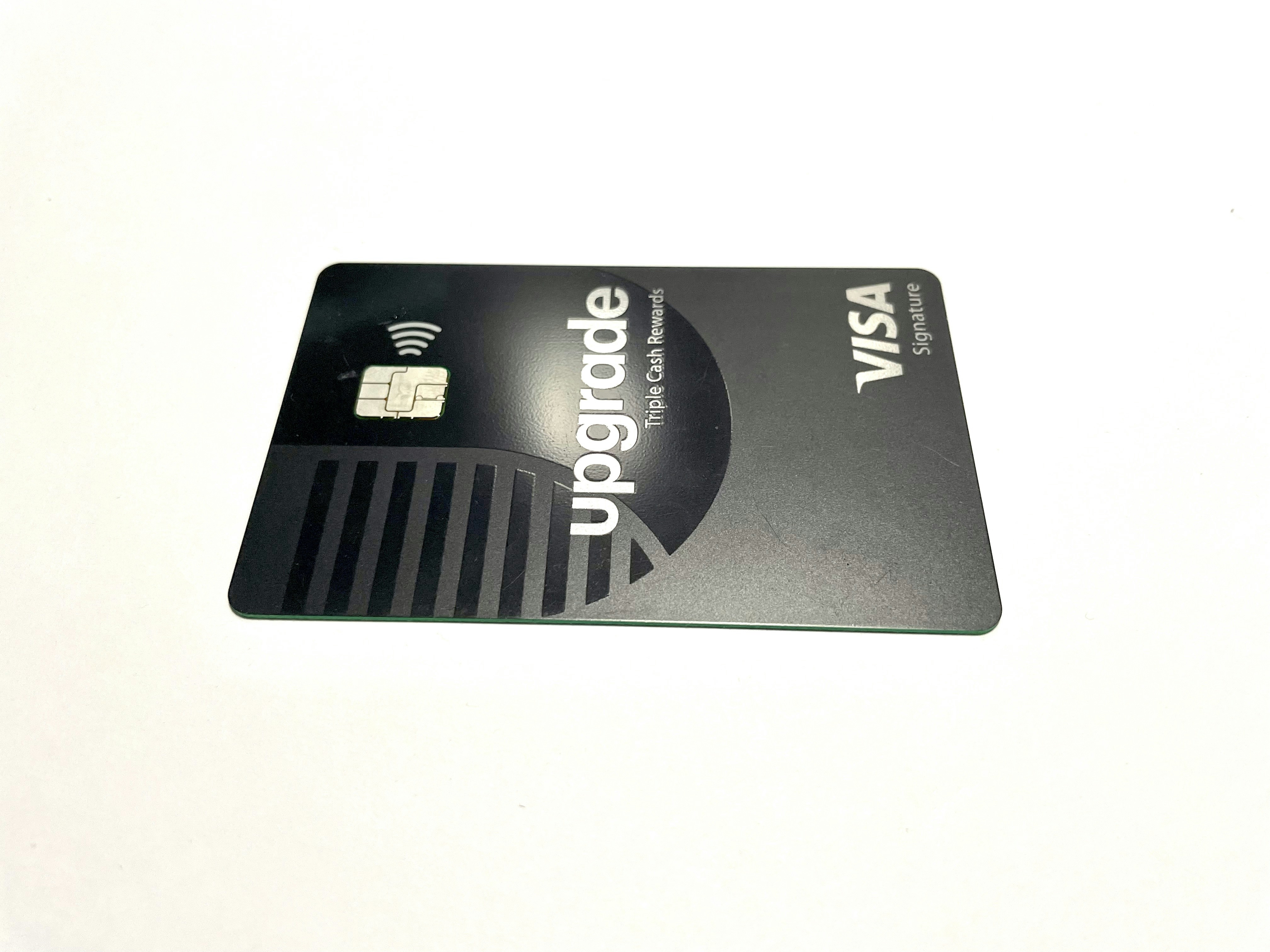
Introduction to Cashback Credit Cards
Cashback credit cards are financial tools designed to reward cardholders with a percentage of their purchases returned as cash. These cards provide an attractive alternative to traditional credit cards, which typically offer various points or travel miles rewards. By offering cash back, these cards simplify the rewards system, making it more appealing to consumers who prefer tangible benefits over points that may be harder to utilize.
The workings of cashback rewards can vary significantly, depending on the structure of the program. There are primarily three types of cashback programs available: flat-rate, tiered, and rotating categories. Flat-rate cashback cards provide a consistent percentage of cash back on all purchases, offering simplicity and predictability. Tiered cards, on the other hand, reward cardholders with different cashback rates for different spending categories, such as groceries, gas, or dining. Lastly, rotating category cards offer higher cash back rates on specific categories that change quarterly, encouraging cardholders to plan their spending strategically.
One of the primary benefits of cashback credit cards is their straightforward nature, allowing consumers to easily understand and manage their rewards. Unlike points or miles programs, which can come with complex restrictions and redemption processes, cashback offers a more immediate form of reward that can be directly applied to reduce credit card balances or deposited into bank accounts. Additionally, cashback rewards often do not expire, giving consumers the flexibility to utilize their rewards when it suits them best.
In conclusion, cashback credit cards present a practical and user-friendly option for individuals looking to maximize their savings while enjoying the benefits of credit. The appeal of receiving cash back on everyday purchases, combined with the simplicity of the program structures, makes these cards an increasingly popular choice among consumers seeking financial rewards.
Types of Cashback Credit Cards
When considering cashback credit cards, it is essential for consumers to understand the various types available on the market, as they cater to different spending habits and preferences. The primary categories include flat-rate cashback cards, tiered cashback cards, and those featuring rotating categories.
Flat-rate cashback cards are designed to offer a consistent cashback percentage on all eligible purchases, regardless of the category. For example, a card may provide a 1.5% cashback on every dollar spent. This simplicity appeals to individuals who prefer a straightforward rewards structure without tracking spending categories or bonus offers. These cards are ideal for those who want to benefit from cashback rewards while maintaining a hassle-free experience.
On the other hand, tiered cashback cards provide varying cashback percentages depending on the spending category. Typically, these cards reward consumers with higher cashback rates in specific categories such as groceries, gas, or restaurants. For instance, a card might offer 3% cashback on dining, 2% on groceries, and 1% on all other purchases. This type of card may benefit consumers who frequently spend in particular categories, allowing them to maximize rewards through informed spending decisions.
Lastly, cards with rotating categories offer cashback rates that change periodically, often on a quarterly basis. These cards typically provide higher cashback rates in select categories that rotate each semester, such as online shopping or entertainment. While these cards can offer lucrative rewards, they require cardholders to adapt their spending habits periodically to take full advantage of the changing categories. Such flexibility may appeal to consumers willing to engage in a more active rewards strategy.
Cashback credit cards have become increasingly popular among consumers seeking to maximize their savings while making everyday purchases. One of the primary benefits of utilizing these cards is the ability to earn a percentage of cash back on various transactions, which can lead to significant savings over time. This simple yet effective reward system provides an immediate financial incentive, allowing cardholders to receive tangible benefits with each purchase, whether for groceries, gas, or online shopping.
Another advantage of cashback credit cards is the potential to save on interest payments. By committing to pay off the card balance in full each month, consumers can avoid accruing interest on their purchases. This practice not only helps in maintaining a favorable credit score but also increases the overall value derived from cashback rewards. Additionally, many cashback cards offer incentives such as introductory bonuses, which can further enhance the initial savings experience. These bonuses often require spending a certain amount within the first few months of account opening, granting users even more cash back on eligible purchases.
Furthermore, cashback credit cards provide a higher level of flexibility compared to traditional reward programs that may offer points or miles. Cash back can be used for any purpose, as opposed to being restricted to specific redemption options. This means that consumers can apply their cash rewards towards anything from their next bill to saving for a special purchase, making it a versatile form of reward.
In addition to the cash back benefits, many issuers include other perks, such as extended warranties on purchases, travel accident insurance, and discounts at partner retailers, enhancing the overall value proposition of these cards. By taking advantage of these benefits, cardholders can not only enjoy immediate savings but also enhance their overall financial well-being.
How to Choose the Right Cashback Credit Card
Selecting the most suitable cashback credit card requires careful assessment of multiple factors. One of the primary considerations is the annual fee associated with the card. While some cashback cards come with no annual fees, others may charge a fee that could offset the potential rewards. Evaluating how the fee compares to the cashback benefits is essential for determining the card’s overall value.
Additionally, understanding the cashback percentages offered is crucial. Different credit cards provide varied rates on purchases, often differentiated by spending categories. For instance, some cards might offer a higher cashback rate on groceries, gas, or dining expenses. Therefore, it is vital to choose a card that aligns with your typical spending habits to maximize rewards effectively.
Many cashback credit cards also feature introductory bonus offers, which can significantly boost your rewards in the early stages of card use. These offers can include cash bonuses if a specific spending threshold is met within the initial months. Evaluating the realistic potential to earn these bonuses is necessary as part of the decision-making process.
Another vital element to consider is the card’s additional rewards or benefits, such as travel perks, purchase protection, or extended warranties. Such features can enhance the value of a cashback credit card, making it more enticing beyond just cashback accumulation. In essence, integrating these various factors—annual fees, cashback percentages, spending categories, bonus offers, and extra benefits—will aid in the selection of the credit card that best suits your needs.
Lastly, conducting a thorough review of your spending behavior is paramount. By analyzing how and where you spend most, you will be better positioned to select a card that maximizes your cashback potential, ultimately leading to greater savings over time.
Common Mistakes to Avoid with Cashback Cards
While cashback credit cards can be a valuable tool for earning rewards, many consumers fall victim to several common mistakes that can undermine their financial objectives. One of the most prevalent pitfalls is overspending to earn rewards. Some cardholders may believe that by increasing their spending solely to maximize cashback returns, they are ultimately gaining value. However, this behavior can lead to unnecessary debt and fees that outweigh the potential rewards earned.
Another mistake is misunderstanding the limits associated with cashback programs. Many cashback cards have specific categories in which customers earn heightened rewards. Failing to grasp these limits can result in lost opportunities for maximizing rewards. Additionally, certain cards may cap the cashback percentage after a certain spending threshold, which can inadvertently lead consumers to overspend in pursuit of additional rewards, thus negating the payoff.
A critical error is not paying off balances in full each month. Carrying a balance on a cashback card incurs interest charges that often outweigh any rewards gained. Consumers who do not manage their payments effectively are likely losing money rather than earning it. It is advisable to treat cashback cards as a means of tracking spending rather than as a catalyst for increased consumption.
Furthermore, neglecting to keep track of purchase categories and associated cashback rates can significantly hinder the effectiveness of a cashback credit card strategy. Many cards offer enhanced rewards for specific categories, yet consumers often fail to adjust their purchasing behavior accordingly. By staying informed about these categories and actively choosing where to utilize their cards, users can optimize their cashback earning potential.
Maximizing Your Cashback Rewards
Maximizing cashback rewards is an essential strategy that can significantly enhance your savings when using credit cards. One of the most effective methods is to utilize the right card for specific purchases. Cashback credit cards often categorize spending types, such as groceries, gas, and dining out, offering higher rewards rates for particular categories. By discerning which card provides the most benefits for each type of purchase, consumers can optimize their returns.
Additionally, it is vital to keep track of rotating cashback categories. Many credit card issuers periodically change the categories eligible for higher rewards. For instance, a card may offer 5% cash back on grocery purchases in one quarter and then shift to a different category in the next. Staying informed about these changes allows cardholders to strategically plan their spending and capitalize on the highest cashback rates available during each billing cycle.
Combining different cashback cards can also be advantageous when attempting to maximize rewards. By carrying multiple cashback cards with unique reward structures, a consumer can strategically alter their purchases to ensure they are applying the most beneficial card at any given time. For example, if one card offers outstanding rewards for dining but another excels in providing cash back for online shopping, the consumer can switch effectively based on their current purchasing needs.
Utilizing bonus offers and promotions is another essential tactic in maximizing cashback rewards. Regularly checking for promotional offers from credit card companies and partners can lead to additional savings opportunities. Many credit card issuers provide bonuses for meeting spending thresholds within a specific time frame or promotional periods that yield increased cashback for certain classes of purchases. Leveraging these opportunities can substantially boost your total rewards.
The Impact of Credit Scores on Cashback Card Approval
When considering applying for a cashback credit card, understanding the role of credit scores in the approval process is essential. Credit scores are numerical representations of an individual’s creditworthiness, calculated based on credit history, payment behaviors, debt levels, and credit inquiries. They typically range from 300 to 850, with higher scores indicating better credit health.
Generally, credit cards with cashback rewards require a good to excellent credit score for approval. Those whose scores fall within the range of 700 to 850 may find themselves qualifying for a wider selection of cashback cards, often with better rewards structures, lower interest rates, and more favorable terms. Conversely, applicants with scores below 700, especially in the fair (580-669) or poor (300-579) categories, may face challenges in securing approval for such cards. They may be offered less advantageous cashback cards with higher fees or lower rewards rates that may not maximize their benefits.
Moreover, a credit score not only influences approval chances but also affects the type and magnitude of rewards offered. For instance, those with excellent credit may receive cards that provide a higher percentage of cashback on purchases, while those with lower scores might be limited to cashback cards with lower rates or additional restrictions. This correlation emphasizes the importance of maintaining good credit health before applying for a cashback rewards card.
Improving your credit score can significantly enhance your approval odds and lead to better rewards opportunities. Practical steps such as timely payments, reducing debt, and avoiding excessive credit inquiries can positively impact credit scores, consequently allowing consumers to unlock the full potential of cashback credit cards.
Top Cashback Credit Cards in 2023
In the ever-evolving landscape of credit cards, cashback rewards programs remain a popular choice for consumers looking to maximize their savings. In 2023, several credit cards stand out for their favorable terms, attractive cashback rates, and unique features that cater to various spending habits. Below is a curated list of the top cashback credit cards available this year, providing valuable insights to help you make an informed decision.
The Chase Freedom Unlimited card offers a remarkable cashback rate of 1.5% on all purchases. Additionally, new cardholders can earn a one-time bonus of $200 after spending $500 in the first three months. With no annual fee, this card is ideal for those who prefer a straightforward cashback structure without complex tiers.
Another solid contender is the Blue Cash Preferred Card from American Express. This card provides an impressive 6% cashback on supermarket purchases (up to $6,000 per year) and 3% on gas stations and transit. While it does have a $95 annual fee, the substantial rewards in key spending categories can more than outweigh this cost for frequent grocery shoppers.
For those who frequently shop online, the Discover it Cash Back card earns 5% cashback in rotating categories each quarter, allowing cardholders to earn significant rewards on everyday expenses. New users can benefit from a cashback match at the end of their first year, effectively doubling initial rewards without an annual fee.
Lastly, the Capital One Quicksilver Cash Rewards Credit Card stands out with its unlimited 1.5% cashback on every purchase, and it comes with no foreign transaction fees, making it an excellent choice for travelers. New cardholders can also take advantage of a one-time $200 cash bonus after spending $500 in the first three months from account opening.
These top cashback credit cards of 2023 cater to a range of financial habits and preferences, allowing consumers to choose options that best align with their spending patterns. Consider these factors carefully to maximize your potential savings.
Conclusion: Making Informed Decisions About Cashback Cards
In summation, understanding cashback credit cards is essential for consumers looking to maximize their savings. Cashback cards have become increasingly popular due to their potential to reward users for everyday purchases. However, it is crucial for individuals to comprehend the various features, rewards structures, and limitations that accompany these cards. Not all cashback programs are the same; some offer higher rewards for specific categories, while others may include annual fees or foreign transaction charges that could diminish the savings benefits.
When considering which cashback card to apply for, it is vital to weigh the pros and cons based on your personal financial profile. Take into account your spending habits, average monthly expenses, and whether you tend to carry a balance. This information will help you determine whether a cashback card aligns with your financial strategy. For instance, if you consistently spend in categories that offer elevated cashback rates, the right card could prove to be a valuable asset.
Moreover, conducting thorough research is paramount. There are numerous online tools and resources available that can facilitate the comparison of different cashback credit cards. By evaluating multiple options, you can identify the card that best fits your needs. Remember that the terms and conditions surrounding cashback rewards can change, so remaining vigilant about updates is essential. By taking the time to make informed decisions, consumers can effectively leverage the benefits of cashback cards to enhance their savings and improve their overall financial well-being.
Leave a Reply