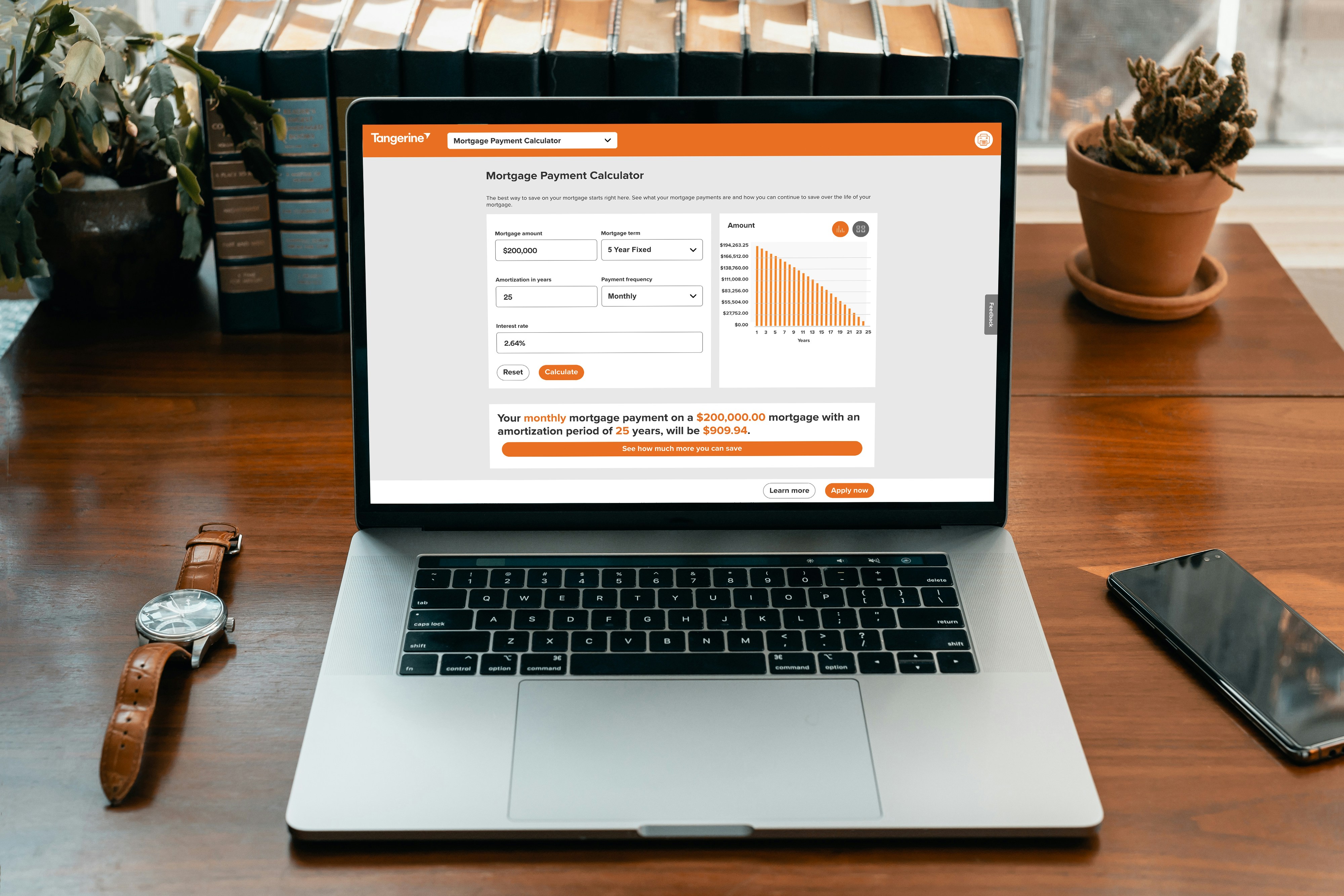
Introduction to Mortgage Refinance
Mortgage refinancing is a financial strategy utilized by homeowners to replace their existing mortgage loans with new ones, often featuring different terms and rates. It is an approach that can be advantageous for various reasons, and understanding its core elements is essential for any homeowner considering this option.
The essence of refinancing is rooted in the potential benefits it can bring. Primarily, individuals choose to refinance to secure a lower interest rate, resulting in reduced monthly payments and long-term savings. Additionally, refinancing might allow homeowners to switch from an adjustable-rate mortgage (ARM) to a fixed-rate mortgage or vice versa, depending on their current financial situation and future expectations.
Another common motivation for refinancing is to access the equity built up in a home. This process, known as cash-out refinancing, enables homeowners to borrow against their property’s value for various purposes, such as home improvements, debt consolidation, or other financial goals. Furthermore, some individuals may opt to refinance to shorten the duration of their mortgage, moving from a 30-year term to a 15-year term, facilitating the process of becoming debt-free sooner.
While refinancing can lead to significant financial benefits, it is important for homeowners to carefully consider associated costs, such as closing fees and other potential expenses. It is crucial to evaluate whether the long-term advantages will outweigh these costs.
Overall, mortgage refinancing can serve as a valuable tool for homeowners seeking to optimize their financial circumstances. By understanding the purpose and benefits of refinancing, individuals can make informed decisions regarding their mortgage loans, ultimately enhancing their financial well-being.
Current Mortgage Refinance Rates
As of October 2023, the landscape of mortgage refinance rates has exhibited notable variability. Current rates are typically hovering in the range of 6.5% to 7.5% for standard 30-year fixed loans, with some fluctuations and adjustments evident within smaller loan amounts and varying borrower profiles. When analyzing today’s rates, it is critical to compare them against historical figures, as this provides a better context for understanding their current positioning.
Looking back over the past year, mortgage refinance rates have seen a gradual increase. For example, in October 2022, the average refinance rate was around 5.0%. This shift has been influenced by factors such as monetary policy adjustments by the Federal Reserve, economic recovery trends, and increased inflation, each of which plays a significant role in shaping rates. The Federal Reserve’s actions directly impact treasury yields, which in turn affects mortgage interest rates, including those for refinancing.
In addition to national trends, individual borrowers often experience different refinance rates based on specific factors like credit score, debt-to-income ratio, and the overall amount of equity in the home. These variables can lead to significant differences in the rates that borrowers are offered. As such, maintaining a good credit score and managing debts effectively can help secure more favorable refinancing conditions.
For homeowners pursuing mortgage refinancing, staying updated with the most accurate and current information is crucial. Reliable resources such as financial news websites, mortgage calculators, and comparison platforms can help ascertain the best available rates. Engaging with multiple lenders can also provide a clearer picture of varying offers, ensuring borrowers make informed decisions based on competitive refinancing options.
Factors Affecting Mortgage Refinance Rates
Mortgage refinance rates are influenced by a variety of factors that borrowers should understand to make informed decisions regarding their refinancing options. One of the most significant factors is the borrower’s credit score. Lenders typically assess creditworthiness using credit scores; higher scores often lead to lower refinance rates. A score above 740 generally qualifies borrowers for the best rates, while scores below this threshold may result in higher interest rates and less favorable terms.
Another critical factor is the loan-to-value (LTV) ratio, which measures the proportion of the loan amount to the appraised value of the property. A lower LTV can indicate less risk for lenders and may secure a more advantageous refinance rate. Typically, lenders prefer an LTV ratio of 80% or lower. If a homeowner’s LTV exceeds this threshold, they may face higher rates or additional requirements, such as private mortgage insurance (PMI).
The overall state of the housing market also plays a vital role in determining mortgage refinance rates. Economic indicators, including inflation rates, employment figures, and the Federal Reserve’s monetary policy, can create fluctuations in the market. For instance, rising inflation may lead the Fed to increase interest rates to stabilize the economy, which consequently can elevate mortgage refinance rates across the board. Therefore, staying informed about these economic conditions can help borrowers anticipate potential changes in refinancing costs.
Lastly, the competition among lenders is a key consideration. During times of high competition, lenders may lower their refinance rates to attract more customers. Consequently, the availability of promotional offers and unique refinancing products can contribute to variations in rates. By understanding these factors, borrowers can better navigate the refinancing landscape and secure favorable mortgage refinance rates.
Types of Mortgage Refinance Options
When exploring mortgage refinance rates, it is crucial to understand the various types of mortgage refinance options available. Each option caters to different financial needs and goals, allowing homeowners to make informed decisions.
The first and most common type is rate-and-term refinancing. This option primarily focuses on adjusting the interest rate and/or the term length of the existing loan. Homeowners opting for this choice typically aim to secure a lower interest rate, potentially reducing monthly payments and total interest paid over the loan’s life. However, this type of refinancing generally does not provide any cash out to the homeowner, meaning they cannot access their home equity through this option.
Another popular option is cash-out refinancing. This process allows homeowners to refinance their mortgage for more than the amount owed, converting their home equity into cash. This extra funds can be used for various purposes, such as home renovations, debt consolidation, or other large expenses. While cash-out refinancing can be advantageous, it often comes with higher interest rates and may increase the overall debt burden, making it essential for homeowners to evaluate their financial situation carefully before proceeding.
Streamline refinancing is also an option worth considering. This type is specifically designed for homeowners with existing government-backed loans, such as FHA or VA loans. Streamline refinancing enables borrowers to reduce their interest rates with minimal documentation and without the need for a home appraisal. This can make the process quicker and more convenient, yet it usually requires that the borrower must remain within the current loan type. Understanding the specifics of each type of refinance is crucial for homebuyers and helps in choosing the best option tailored to their needs.
The Refinancing Process Explained
Refinancing a mortgage can be a strategic financial decision for homeowners, allowing them to adjust their loan terms to better suit their current financial situation. The refinancing process involves several critical steps that homeowners should understand to navigate it effectively.
Initially, the process begins with researching mortgage refinance rates, which can vary based on current market conditions and individual financial profiles. Homeowners should assess their needs and goals, whether it’s lowering monthly payments, reducing interest rates, or accessing home equity for other expenses.
Once a homeowner has decided to proceed, the next step involves gathering necessary documentation. This typically includes income verification, tax returns, credit reports, and information regarding existing debts. Lenders will assess this information to determine the appropriate refinance offers available to the homeowner.
After documentation is submitted, homeowners can expect a timeline that varies based on the lender and complexity of the application. Generally, the process can take anywhere from 30 to 45 days, depending on the lender’s workload and performance. It is also during this period that the lender will conduct a home appraisal to assess the property’s value, which plays a significant role in the approval process.
Potential costs should also be on a homeowner’s radar. These can include application fees, appraisal costs, and closing costs, which may amount to 2-5% of the loan amount. However, many lenders offer zero-cost refinance options where fees are rolled into the loan or offset by a slightly higher interest rate, allowing for greater flexibility.
By understanding each step of the refinancing process, homeowners can better prepare themselves for the financial implications and overall experience, leading to a more informed and effective refinancing journey.
Benefits of Refinancing Your Mortgage
Refinancing your mortgage can present numerous advantages that may significantly improve your financial standing and overall homeownership experience. One of the most compelling reasons to consider mortgage refinancing is the potential to lower your monthly payments. By securing a new loan at a lower interest rate, homeowners can reduce their monthly outlays, which can free up funds for other expenses or savings. For instance, a homeowner with a $300,000 mortgage at a 4.5% interest rate might opt for refinancing to a 3.5% rate, resulting in considerable savings over the loan’s term.
In addition to lowering monthly payments, refinancing often allows homeowners to obtain a better interest rate, especially for those whose credit scores have improved since their original mortgage was taken out. A lower interest rate translates to reduced overall interest paid throughout the life of the loan, potentially saving thousands of dollars. This financial advantage can be particularly appealing for homeowners who plan to stay in their homes for an extended period, as the long-term savings can be substantial.
Accessing home equity is another significant benefit of mortgage refinancing. Homeowners may choose to refinance their mortgage to tap into their home equity for various purposes, such as funding home improvements, consolidating debt, or financing major purchases. This can enhance the property’s value, increase comfort, or facilitate financial goals that would otherwise be challenging to achieve without liquidating assets. A real-life example includes a homeowner who refinanced their mortgage to fund a kitchen remodel, which not only improved their living space but also increased their home’s market value.
In summary, refinancing a mortgage can provide numerous benefits such as lowering monthly payments, securing better interest rates, and accessing home equity. These advantages can contribute positively to a homeowner’s financial health and future plans.
Risks and Downsides of Refinancing
While mortgage refinancing can offer numerous benefits, it is essential to recognize the inherent risks and downsides associated with this financial decision. One major concern is the potential for increased overall costs. Refinancing typically involves closing costs that can range from 2% to 5% of the loan amount. This upfront expenditure can negate any short-term savings achieved through a lower interest rate, especially if the borrower does not remain in the home long enough to recoup those costs.
Another significant risk associated with mortgage refinancing is the possibility of extending the loan term. Borrowers aiming to lower their monthly payments may opt for a new mortgage with a longer repayment period. While this can result in more manageable payments in the short term, it can also lead to paying significantly more interest over the life of the loan. Homeowners may find themselves in a position where they owe more than they initially did, which can be financially detrimental in the long run.
Additionally, refinanced mortgages may lead to the loss of favorable features from the original loan, such as the ability to make extra payments without penalties. Depending on the terms of the new mortgage, borrowers may also encounter strict conditions that limit their financial flexibility. Moreover, if the borrower’s financial situation has changed since obtaining the original mortgage—due to job loss, increased debt, or credit score drops—refinancing may result in less favorable terms than initially received.
In summary, while refinancing can be a valuable tool for many homeowners, it is crucial to weigh the potential risks and downsides carefully. Each situation is unique; thus, conducting thorough research and possibly consulting a financial advisor can provide clarity on whether mortgage refinancing is a sound financial strategy.
Tips for Securing the Best Refinance Rate
Securing a favorable mortgage refinance rate can significantly impact your financial situation. Here are some actionable tips to help you obtain the best possible rate.
First and foremost, improving your credit score is essential. Lenders typically reserve their most competitive rates for borrowers with higher credit scores. Paying down existing debts, making timely payments, and correcting any inaccuracies in your credit report can contribute to increasing your credit rating. It is advisable to check your credit report well in advance of applying for refinancing to ensure you present the strongest financial profile possible.
Next, shopping around for different lenders can yield considerable savings. Mortgage lenders often have varying rates, fees, and terms. Taking the time to compare offerings from multiple institutions allows you to identify the most favorable refinancing options available. Consider using online tools and calculators to estimate potential savings with each lender and request quotes to get a more accurate understanding of your prospective refinance rate based on your financial circumstances.
Timing the market may also play a crucial role in securing an advantageous mortgage refinance rate. Economic conditions, such as changes in interest rates and inflation, can impact the overall mortgage landscape. Monitoring market trends and being prepared to act when rates dip can maximize your potential savings. Additionally, staying informed about Federal Reserve meetings and economic indicators can help you better predict when the best chances to refinance may arise.
Lastly, consider maintaining a healthy debt-to-income ratio. Lenders evaluate this ratio to assess your ability to manage monthly payments. A lower debt-to-income ratio can enhance your chances of obtaining a favorable refinance rate, lending credibility to your financial stability. By following these strategies diligently, you can effectively position yourself to secure the best mortgage refinance rate in today’s market.
Conclusion and Final Thoughts
As we have explored throughout this comprehensive guide on mortgage refinance rates today, understanding these rates is crucial for homeowners considering refinancing options. Mortgage refinance rates fluctuate based on numerous factors, including overall economic conditions, individual credit scores, and prevailing market trends. By having a firm grasp on these elements, borrowers can make informed decisions that align with their financial goals.
We have discussed how rates can vary from lender to lender, emphasizing the importance of shopping around for the best possible deal. Additionally, it’s essential to remember that refinancing isn’t solely about securing a lower interest rate; it encompasses a range of considerations, such as loan terms, closing costs, and potential impacts on long-term financial strategies.
Ultimately, assessing personal circumstances and evaluating refinancing options carefully can lead to substantial savings over time. Homeowners should reflect on their current mortgage terms and consider whether refinancing could alleviate financial burdens or generate additional benefits such as cash-outs for home improvements. As the mortgage landscape continues to evolve, staying informed about current refinance rates and market conditions is imperative for making prudent decisions.
In conclusion, the insights shared in this guide should equip you with the necessary knowledge to navigate the complexities of mortgage refinancing effectively. Whether you are contemplating your first refinance or seeking to optimize previous decisions, diligent research and informed decision-making will empower you to take full advantage of the opportunities presented by favorable mortgage refinance rates today.